

SHAVE PRODUCTS

Natural Comfort, Smooth Finish & Skin Protection
Explore our collection of natural shave products designed to make every shave smoother, gentler, and more comfortable. Our botanical pre-shave oils, soothing after-shave mists, and targeted treatments help soften the hair, protect the skin, reduce irritation, and support a clean, calm finish — perfect for daily grooming.
Pre-Shave Oils for Smooth Glide & Skin Protection
Lightweight natural oils create a protective barrier that improves razor glide and minimizes friction. Ideal for sensitive or easily irritated skin.
Recommended pre-shave oils:
Jojoba Oil, Abyssinian Oil, Brazil Nut Oil, Hemp Seed Oil, Argan Oil, Pumpkin Seed Oil
After-Shave Mists for Cooling & Soothing
Refresh and calm the skin with gentle botanical mists that help reduce redness, irritation, and dryness after shaving. Perfect for face, neck, underarms, and body.
Recommended after-shave mists:
Witch Hazel Water, Aloe Mist, Lavender Mist, Neroli
Natural Solutions for Ingrown Hairs & Razor Bumps
Support clearer, smoother skin with purifying oils traditionally used to reduce ingrown hairs, soothe irritation, and maintain clean, comfortable skin after shaving.
Recommended targeted oils:
Tea Tree Essential Oil (diluted), Neem Oil (diluted), Black Seed Oil (diluted)
Essential Oils for Conscious Men – Grooming, Scent & Skin Support
For men who prefer clean, natural grooming, essential oils offer subtle scent, skin benefits, and a grounding aromatherapy experience. These oils can be added to a carrier oil for shaving, blended into beard oils, or used in post-shave care.
Recommended essential oils (diluted) for men:
Cedarwood, Rosemary, Peppermint, Lavender, Citronella, Tea Tree
How to Use for the Best Shaving Experience
Apply a thin layer of pre-shave oil to soften the hair and prepare the skin. Shave as usual, then finish with a cooling mist or diluted essential oil blend to soothe and protect the skin. Use targeted treatments as needed to reduce bumps, ingrowns, and irritation.
Explore the full collection to find the best natural shave products for comfort, glide, and post-shave relief — your daily grooming ritual, elevated by nature.
Sort by:
16 products
16 products
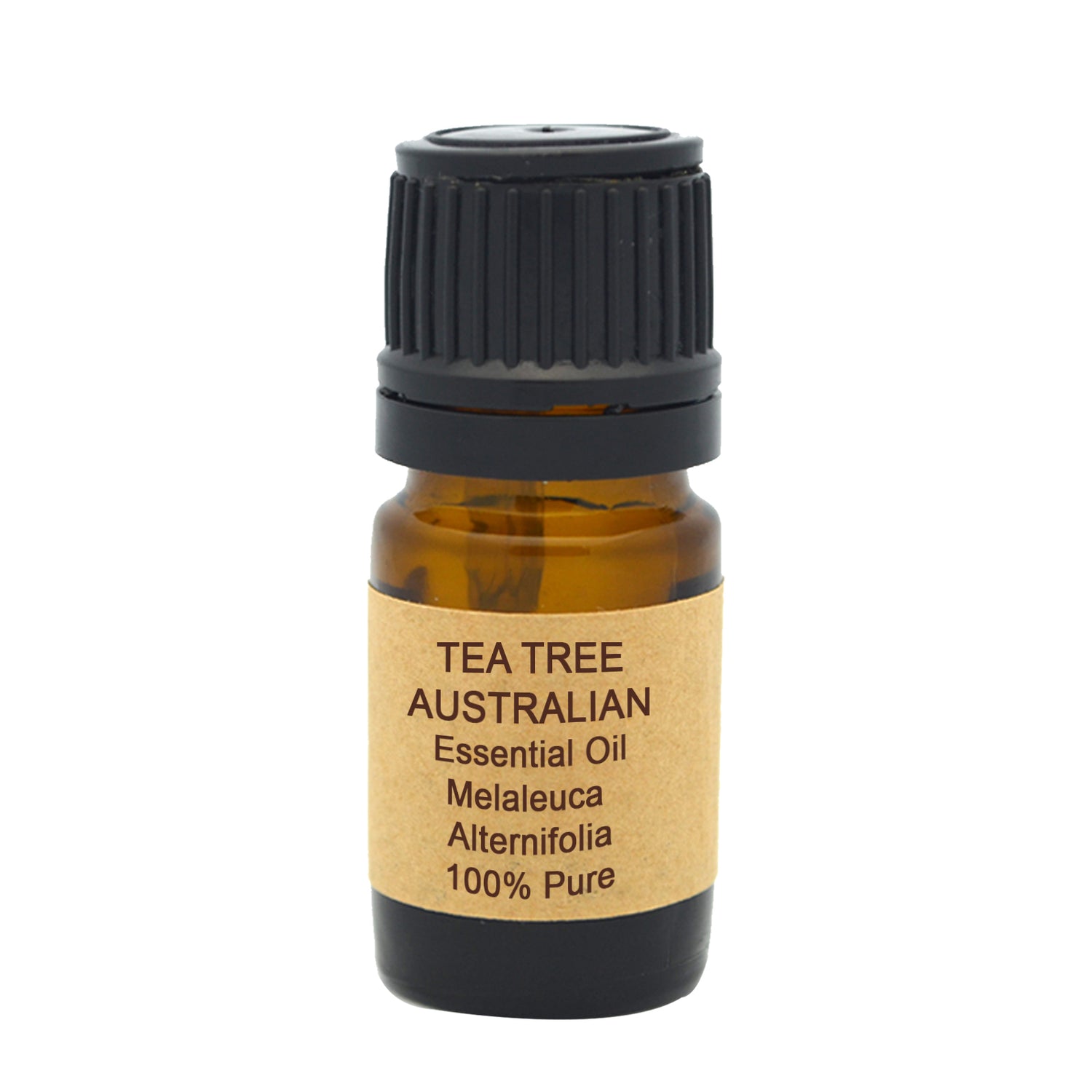
Tea Tree Essential Oil (AAA Australian)
The Tea Tree is a small tree or shrub with needle-like leaves. It is also domestically referred to as Ti-tree. It can...
From $3.50
Unit price perTea Tree Essential Oil (AAA Australian)
The Tea Tree is a small tree or shrub with needle-like leaves. It is also domestically referred to as Ti-tree. It can...
From $3.50
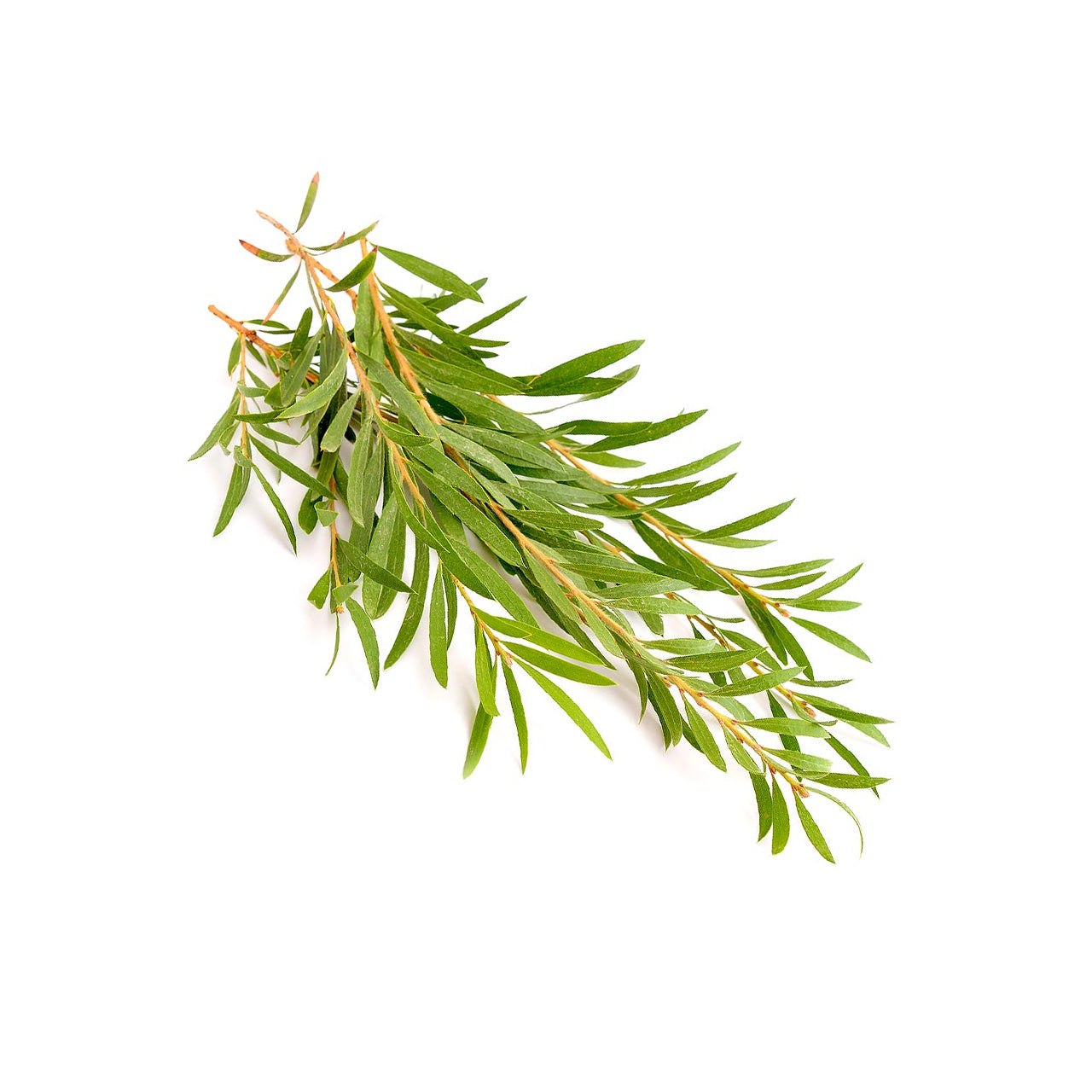
Unit price perThe Tea Tree is a small tree or shrub with needle-like leaves. It is also domestically referred to as Ti-tree. It can grow up to 7 meters (20 feet) in height and thrives in marshy areas, though it is now cultivated in plantations. The Tea Tree is very robust; it is ready for cutting only two years after its’ previous harvest.Acne
One of the most well known uses of tea tree oil is in acne treatment. In fact, a five percent solution of tea tree oil has been shown to be as effective as a five percent solution of the common acne treatment product known as benzoyl peroxide, according to the Mayo Clinic. Tea tree oil works on acne by reducing the population of the acne-related bacteria Propionibacterium acnes (P. acnes). P. acnes is partially responsible for the inflammation and infection that results in more serious forms of inflammatory acne.
Dandruff
Dandruff is another skin condition that can benefit from the use of tea tree oil. One common possible cause of dandruff is the overgrowth of a fungus known as malassezia. Malassezia is commonly found on the skin of your scalp, but causes dandruff problems if it is able to grow out of control. Tea tree oil can be used to reduce population of the fungus, resulting in dandruff relief.
Parasitic Skin Infestations
Tea tree oil may also be used as a natural treatment for skin infestations such as lice, scabies and bedbugs, according to the American Academy of Dermatology. Tea tree oil is used to kill the parasites, relieving skin irritation from the infestation.
Inflammation
When your skin comes in contact with allergens, your body may respond by activating histamine, which causes the skin to become inflamed. Tea tree oil may be used to reduce this inflammation, but more research is needed to confirm the full benefits of the oil, according to the National Institutes of Health.
Athlete's Foot
Athlete's foot may also benefit from the use of tea tree oil. Athlete's foot is a common fungal-based skin problem that can cause severe itching and burning sensations on the affected area. Tea tree oil works on athlete's foot by killing the fungi associated with the infection.
Use diluted - 50:50 dilution (one part essential oil: one part of carrier oil). Then, apply several drops (2-4) on location, ankles and wrists. Apply to chakras/vitaflex points. Directly inhale or diffuse.
What Chakra is Affected? This oil will actually expand all the chakras and then align them with the crown chakra.
What is the Corresponding Chakra Color? Yellow and blue.
| Botanical Name | Melaleuca alternifolia |
|---|---|
| Country of origin | Australia |
| Cultivation | Conventional (Non GMO) |
| Extraction Method | Steam Distilled |
| Plant part | Leaves |
| Color | Colorless to pale yellow clear liquid. |
| Scent | Tee Tree Essential Oil has a fresh, antiseptic and medicinal scent. It also has characteristic mint and spice back-notes. |
| Strength of Aroma | Medium |
| Note | High |
| Ingredients | Melaleuca alternifolia |
| Usage |
Use diluted - 50:50 dilution (one part essential oil: one part of carrier oil). Then, apply several drops (2-4) on location, ankles and wrists. Apply to chakras/vitaflex points. Directly inhale or diffuse. |
| Blends well with |
Cinnamon Bark, Clary Sage, Clove Bud, Geranium, Lavender, Lemon, Myrrh, Nutmeg, Rosewood, Rosemary and Thyme. |
| History | The aboriginal people of Australia have long used Tea tree oil; similarly, Tea tree has a long history of use within the field of aromatherapy. In World War Two, the producers and the cutters of Tea Tree were exempt from military service until enough essential oil had been accumulated. The oil was a highly valued product as it was issued to each soldier and sailor as part of their kit in order to treat tropical infections and infected wounds. |
| Warnings | Tea Tree Essential Oil may cause dermal sensitization in some people. Do not take internally. |
| Manufacture | Best Natures Cosmetic |
| Country of Manufacture | Canada |
| Disclaimer |
This information is for educational purposes only, it is not intended to treat, cure, prevent or, diagnose any disease or condition. Nor is it intended to prescribe in any way. This information is for educational purposes only and may not be complete, nor may its data be accurate. |


SUSTAINABLE NO COMPROMISE

We aim to inspire kindness in the world through the power of Clean and Minimalist Skin Care. Our products is kind to the planet, kind to people, kind to animals and kind to skin.
We aim to inspire kindness in the world through the power of Clean and Minimalist Skin Care. Our products is kind to the planet, kind to people, kind to animals and kind to skin.
KIND TO ANIMALS

Sustainable, clean, plant based skin care means no cruelty, no testing on animals, no harmful chemicals, nature friendly.
Sustainable, clean, plant based skin care means no cruelty, no testing on animals, no harmful chemicals, nature friendly.
CLEAN SKIN CARE

It is about transparency, natural ingredients and minimalist skin care products without compromise. Let the Mother Nature Safeguard your beautiful skin.
It is about transparency, natural ingredients and minimalist skin care products without compromise. Let the Mother Nature Safeguard your beautiful skin.