

Sort by:
12 products
12 products

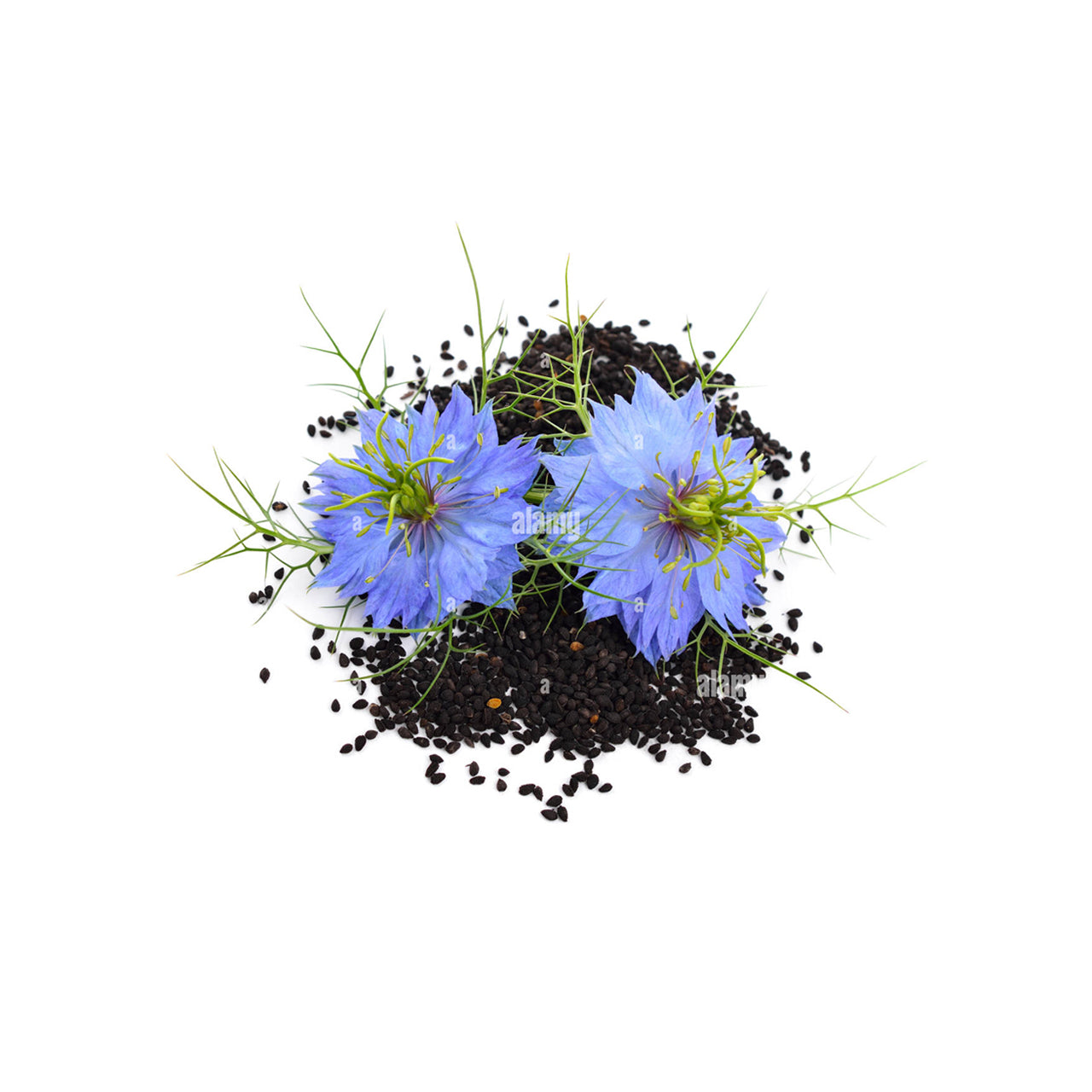
Black Seed Cumin Oil Organic Cold Pressed
Naturally rich in thymoquinone, a key bioactive compound valued in skincare and haircare routines for its antioxidan...
From $8.00
Unit price perBlack Seed Cumin Oil Organic Cold Pressed
Naturally rich in thymoquinone, a key bioactive compound valued in skincare and haircare routines for its antioxidan...
From $8.00
Unit price perNaturally rich in thymoquinone, a key bioactive compound valued in skincare and haircare routines for its antioxidant-supporting properties.
Black Seed Oil - Organic Cold Pressed & Unrefined
Black Seed Oil, also known as Black Cumin Oil, is a cold-pressed botanical oil traditionally valued for its nourishing and balancing properties. Extracted from the seeds of Nigella sativa, this organic oil has long been used in natural skin and hair care routines for its conditioning and comforting qualities.
Rich in naturally occurring fatty acids and antioxidants, Black Seed Oil helps support skin barrier comfort while improving the appearance of dryness and uneven texture. Its medium-weight consistency allows it to absorb well without feeling heavy, making it suitable for both skin and hair applications.
Benefits for Skin & Scalp
When applied to the skin or scalp, Black Seed Oil helps nourish and soothe while supporting overall balance. It is especially appreciated by those with sensitive or problem-prone skin seeking a gentle, plant-based oil.
Benefits for Hair & Beard
On hair and beard, Black Seed Oil helps improve softness, manageability, and natural shine. It conditions both the hair and the skin underneath, supporting a healthy, well-groomed appearance without buildup.
Versatile and easy to incorporate into daily routines, Black Seed Oil is a simple yet effective addition to natural skincare, hair care, and grooming rituals.
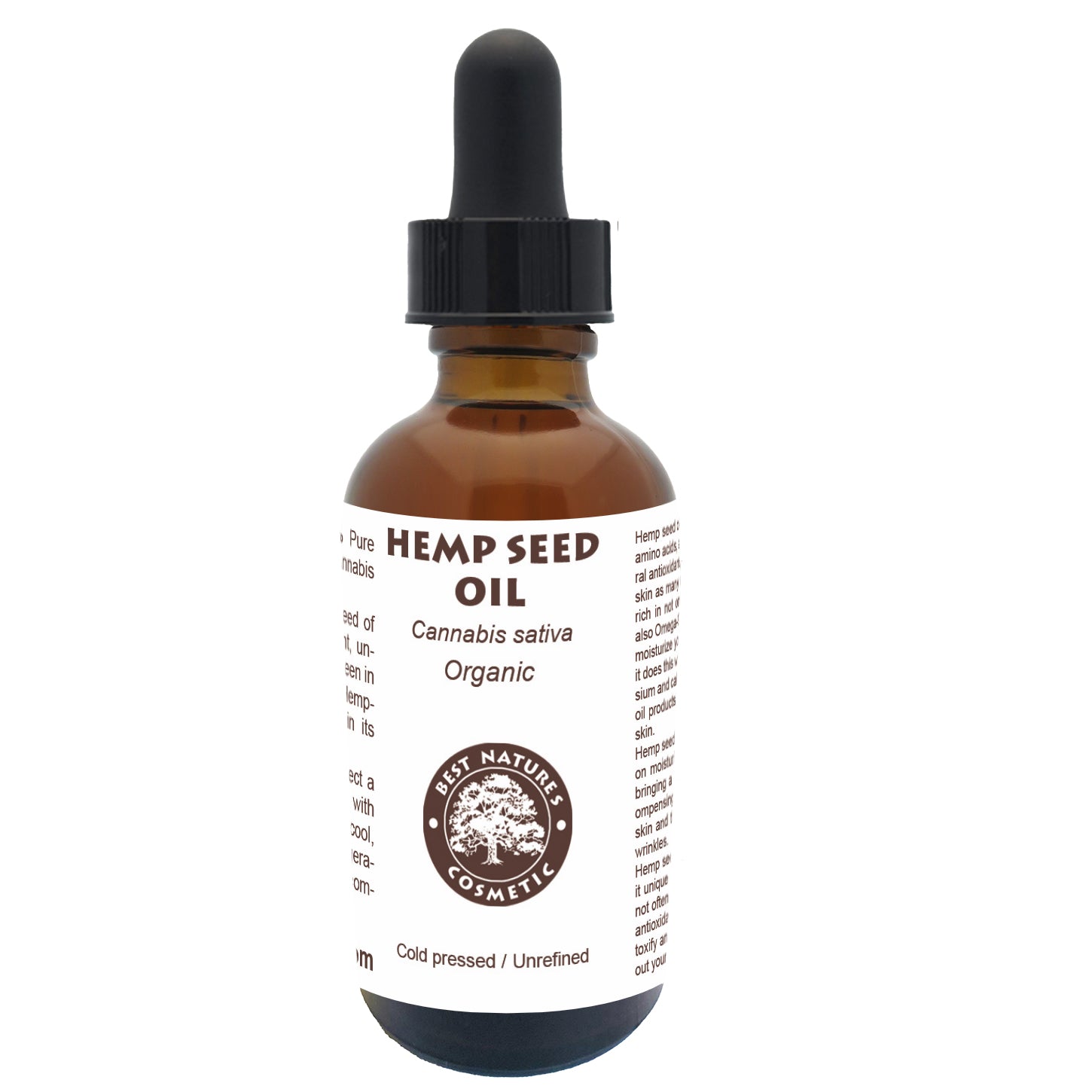
Hemp Seed Oil Organic Cold Pressed
Lightweight, nutrient-dense oil rich in omega-3 and omega-6 fatty acids that helps support a balanced skin barrier a...
From $7.00
Unit price perHemp Seed Oil Organic Cold Pressed
Lightweight, nutrient-dense oil rich in omega-3 and omega-6 fatty acids that helps support a balanced skin barrier a...
From $7.00
Unit price perLightweight, nutrient-dense oil rich in omega-3 and omega-6 fatty acids that helps support a balanced skin barrier and soften dry, stressed-looking skin.
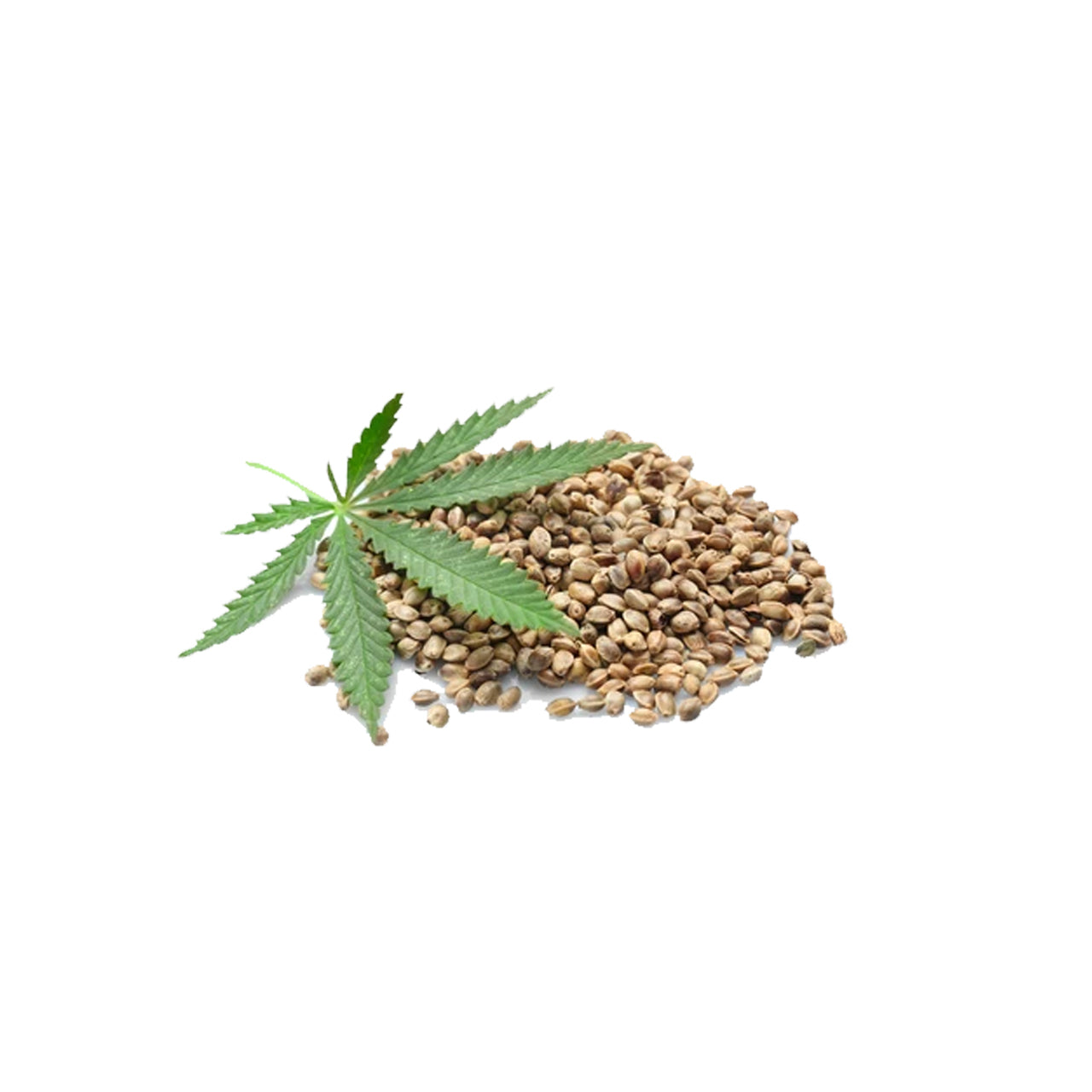
Hemp Seed Oil – Organic Cold-Pressed & Unrefined
Extracted from the seeds of Cannabis sativa without THC or CBD, our Hemp Seed Oil is cold-pressed and unrefined to preserve its full profile of nourishing essential fatty acids. Rich in Omega-3 and Omega-6, it is one of the most skin-friendly oils available—especially for oily, blemish-prone, or sensitive skin types.
This lightweight, green-hued oil absorbs quickly and leaves no greasy residue, making it ideal for daily facial care. It supports the skin's barrier function, helps reduce dryness, and can calm areas of irritation or redness. Non-comedogenic and fast-absorbing, it's also a favorite for those with reactive or breakout-prone skin.
Benefits for Skin & Scalp
- Balances oily and acne-prone skin without clogging pores
- Hydrates and helps restore skin barrier health
- Soothes scalp dryness and flakiness
- Rich in Omega-3 and Omega-6 fatty acids
- Can be used in face oils, serums, or scalp blends
With its earthy scent and light texture, Hemp Seed Oil is a natural choice for those seeking calm, balanced skin and healthy scalp support—without heaviness or synthetic ingredients.
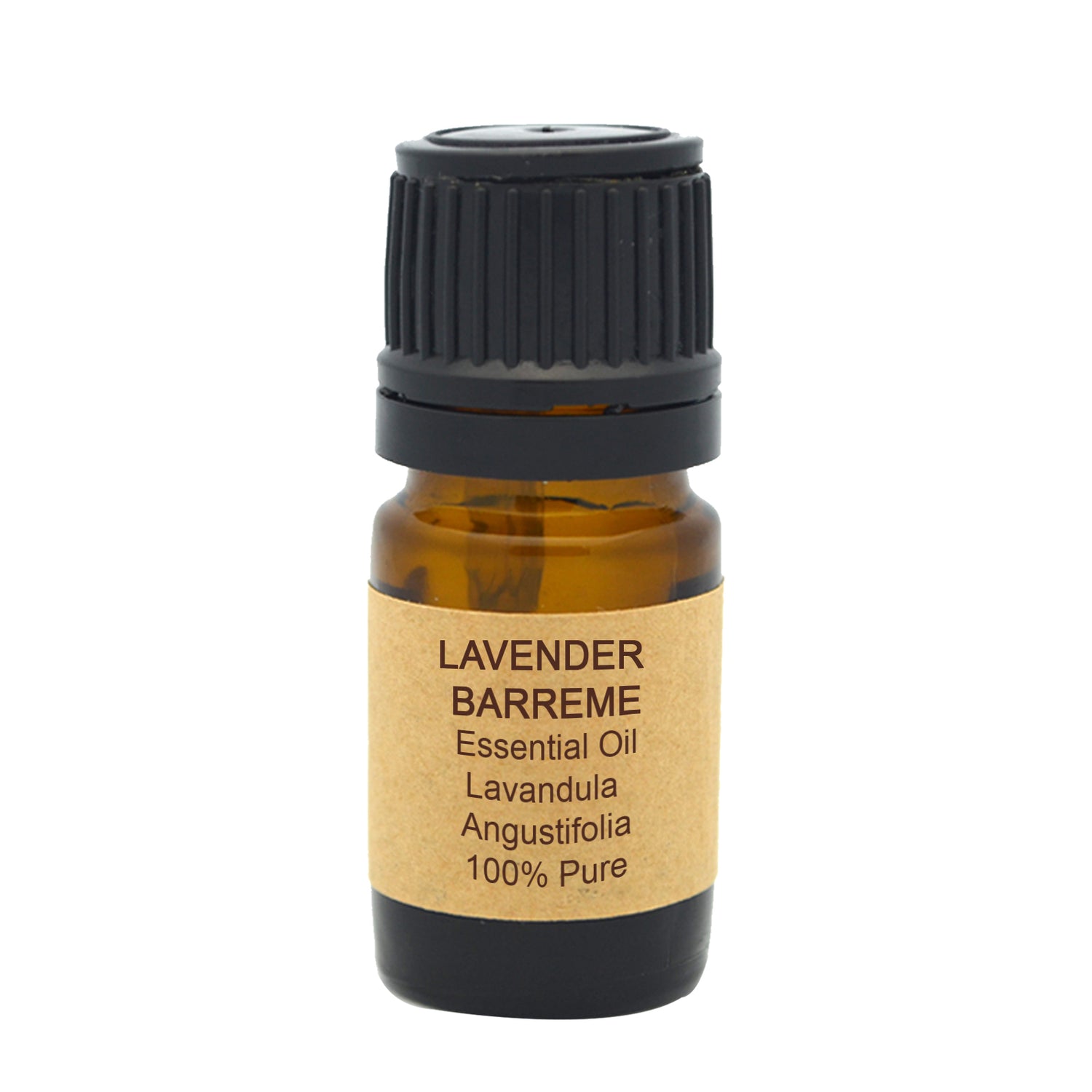
Lavender Essential from France, Region of Barreme
Lavender oil Barreme is made through steam distillation of Lavender flower spikes. Lavender Barreme-considered the mo...
From $5.00
Unit price perLavender Essential from France, Region of Barreme
Lavender oil Barreme is made through steam distillation of Lavender flower spikes. Lavender Barreme-considered the mo...
From $5.00
Unit price perLavender oil Barreme is made through steam distillation of Lavender flower spikes.
Lavender Barreme-considered the most relaxing of all lavenders. Grown in the chalky soils and dry climate of the Barreme region of France, this lavender has a superior floral aroma with high therapeutic benefit. With a content of over 50% aroma esters naturally occurring this lavender maintains a crisp, floral aroma. Valued as one of the finest quality lavender’s available on the market.
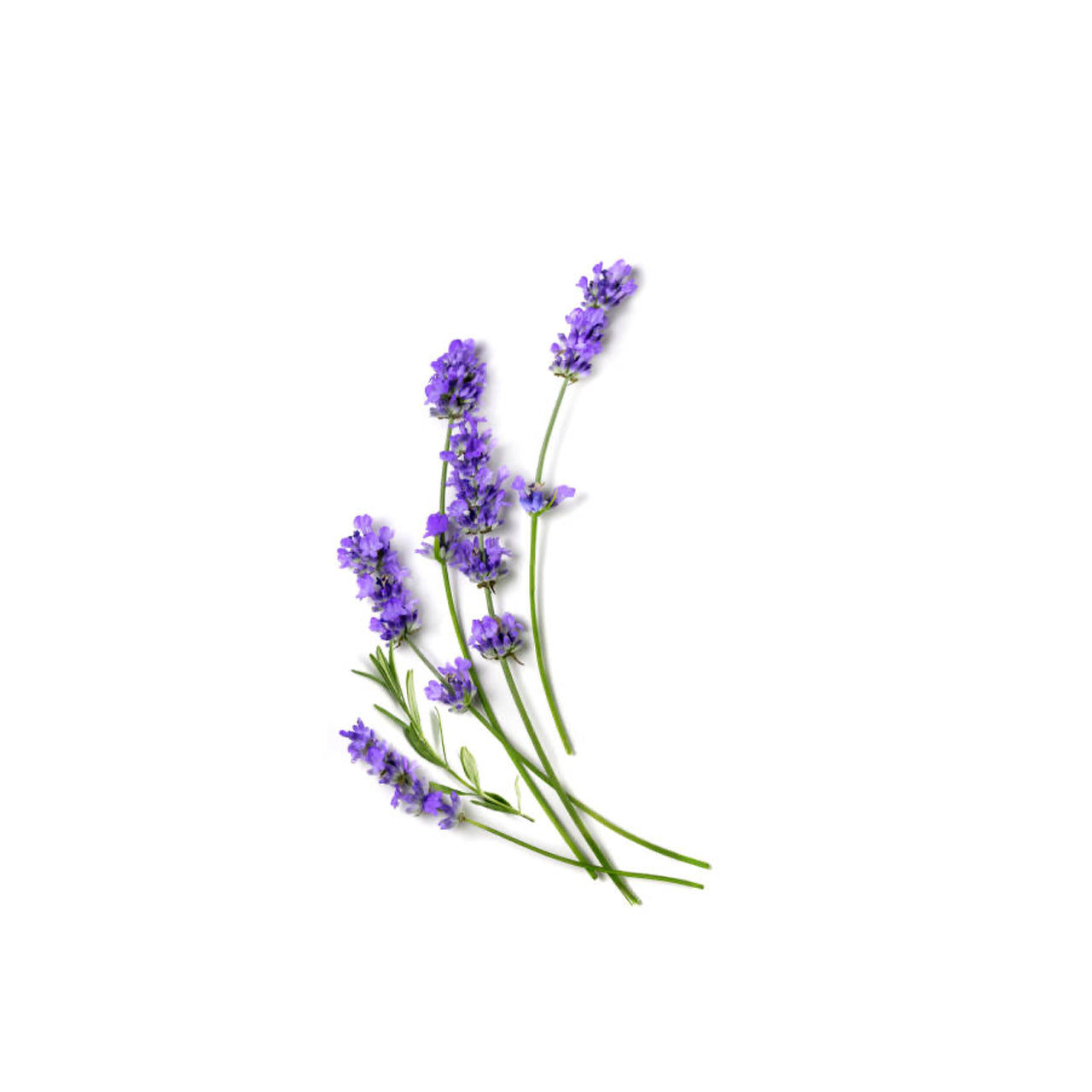
Lavender is a hardy shrub which grows up to one meter in height. Lavender is the most widely used essential oil in aromatherapy. There are a lot of Lavender Oils in the market, this is a distinct Essential Oil from the French region of Barreme.
Lavender oil Barreme is made through steam distillation of Lavender flower spikes.
Lavender Barreme-considered the most relaxing of all lavenders. Grown in the chalky soils and dry climate of the Barreme region of France, this lavender has a superior floral aroma with high therapeutic benefit. With a content of over 50% aroma esters naturally occurring this lavender maintains a crisp, floral aroma. Valued as one of the finest quality lavender’s available on the market.
Lavender is a hardy shrub which grows up to one meter in height. Lavender is the most widely used essential oil in aromatherapy. There are a lot of Lavender Oils in the market, this is a distinct Essential Oil from the French region of Barreme.
Lavender Oil is extensively used in the cosmetic industry, whether it is in Lotions or perfumes. Its pleasant smell makes it a commonly use oil in toiletries and other fragrance industries. This is a Lavender grown at a high altitude and thus typically has high ester content (52%:linalyl, terpenyl, lavandulyl and geranyl acetates), which is why it is called 50‐52% oil. The higher the Linalool and linalyl acetate contents, supposedly the more relaxing properties are of the lavender oil.
Botanical Name: Lavandula angustifolia
Country of origin: France, Region of Barreme
Extraction Method: Steam Distilled
Plant part: Lavender flower spikes
Scent: Lavender Essential Oil French from french region of Barreme. It has a floral, herbaceous, fresh scent with balsamic woody undertone.
Strength of Aroma: Strong
Note: High
Blends well with: Bay, Bergamot, Chamomile, Citronella, Clary Sage, Geranium, Jasmine, Lemon, Mandarin, Orange, Palmarosa, Patchouli, Pine, Thyme, Rosemary, Rosewood and Ylang-ylang.
History: Lavender has been used since ancient times. Romans added lavender to their bath water, hence the name derived from the word 'to wash' - lavare. Lavender Oil is extensively used in the cosmetic industry, whether it is in Lotions or perfumes. Its pleasant smell makes it a commonly use oil in toiletries and other fragrance industries. This is a Lavender grown at a high altitude and thus typically has high ester content (52%:linalyl, terpenyl, lavandulyl and geranyl acetates), which is why it is called 50‐52% oil. The higher the Linalool and linalyl acetate contents, supposedly the more relaxing properties are of the lavender oil.
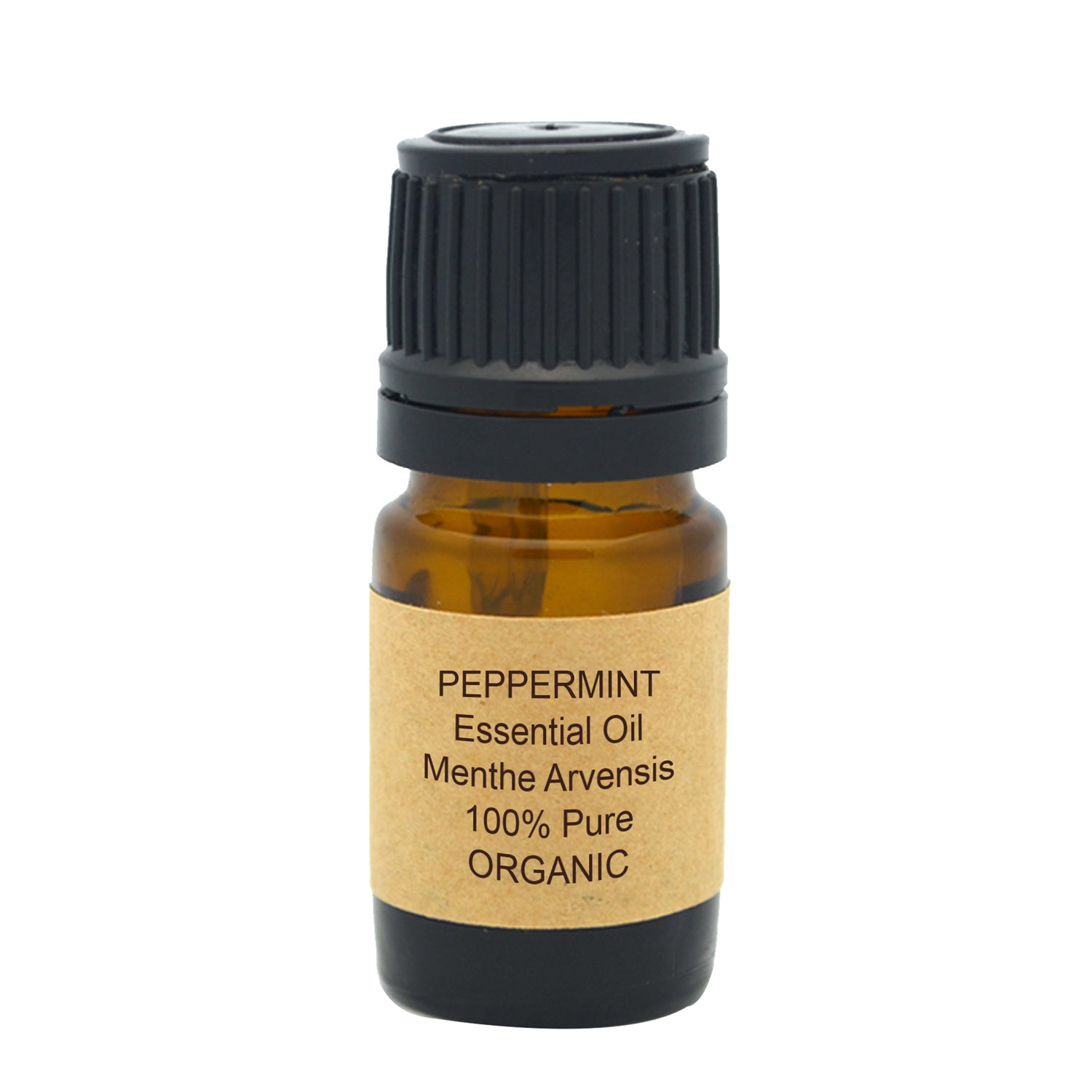
Peppermint (Menthe Arvensis) has a strong, clean, fresh, minty aroma. One of the oldest and most highly regarded herb...
From $3.00
Unit price perPeppermint (Menthe Arvensis) has a strong, clean, fresh, minty aroma. One of the oldest and most highly regarded herb...
From $3.00
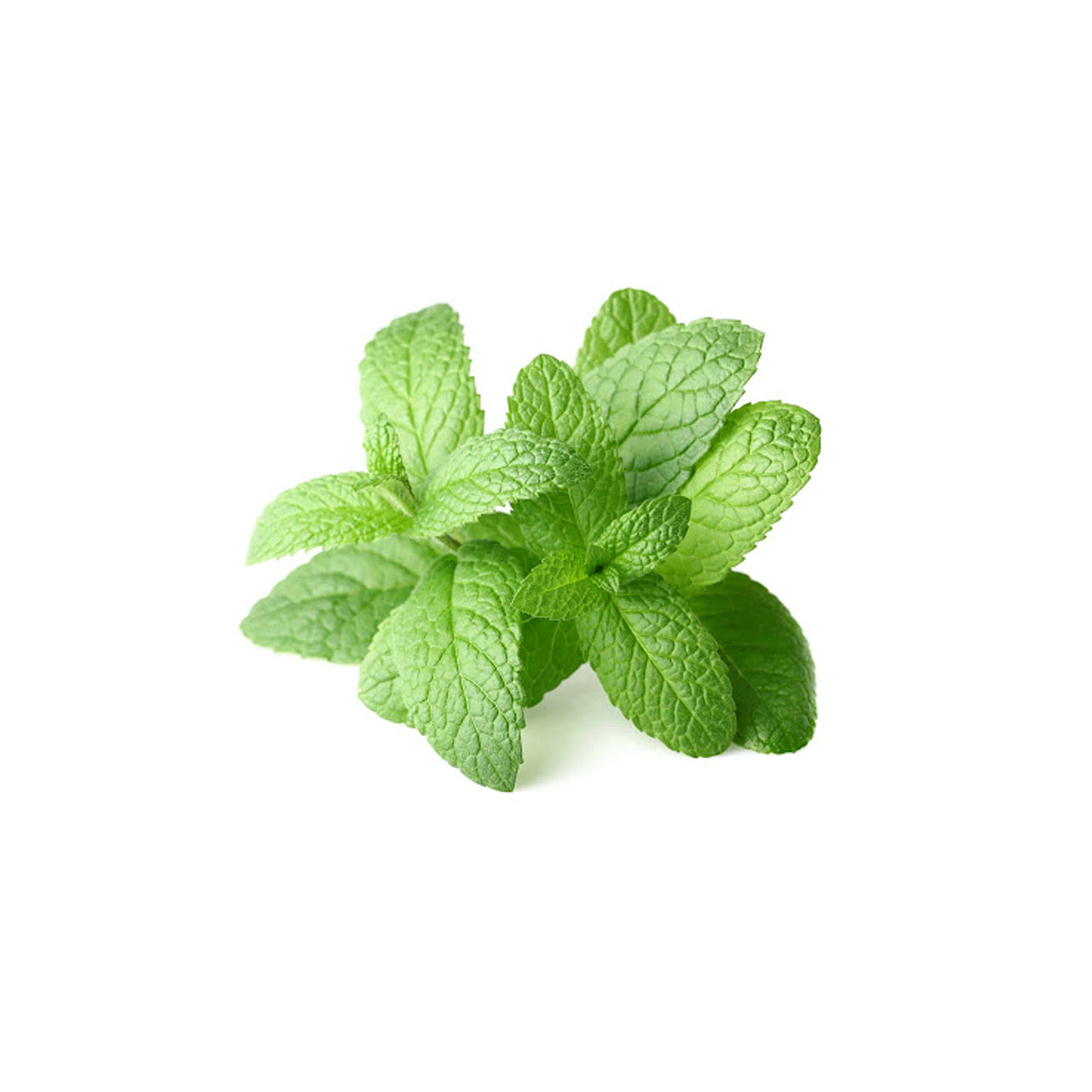
Unit price perPeppermint (Menthe Arvensis) has a strong, clean, fresh, minty aroma. One of the oldest and most highly regarded herbs for soothing digestion, improve concentration and mental sharpness.
Peppermint Essential Oils is one of the most highly regarded herbs for soothing digestion, it may also restore digestive efficiency.
Because of the very high menthol content of this oil, it may crystalize. If so, we would recommend placing the bottle in a very hot water bath, and changing the water frequently until it is back to its liquid state, then gently agitate before use.
Small amounts of peppermint essential oils can cleanse the spiritual bodies and increase attunement with the soul so that intuitive awareness increases. Fears may also be minimized, especially those having to do with motion (riding, skiing, and flying).
This is particularly good oil when there is resistance to learn a new subject or to move in a new direction. It cools and calms the mind and eliminates the fear of the unknown.
Massage several drops of peppermint essential oil on the abdomen, place a drop on wrists, or inhale to soothe the minor stomach discomfort associated with travel.
Rub one drop of peppermint essential oil on the temples, forehead, over the sinuses (careful to avoid contact with your eyes), and on the back of the neck to relieve head pressure.
Place 2 drops of peppermint essential oil on the tongue and rub another drop of oil under the nose to help improve concentration and alertness.
Apply peppermint essential oil to the back of the neck and shoulders throughout the day to keep energy up.
Inhale peppermint essential oil, apply topically to your temples or neck, or put a drop on your tongue or in water to jump-start your morning routine.
Diffuse or inhale peppermint essential oil mid-morning to curb the desire to snack.
Inhale peppermint essential oil or rub a drop on to your abdomen to soothe minor stomach discomfort.
| Botanical Name | Menthe Arvensis |
|---|---|
| Country of origin | India |
| Cultivation | Organically grown |
| Extraction Method | Steam Distilled |
| Plant part | Herb |
| Color | A thin, colourless to pale yellow liquid. |
| Scent | A top note with a strong aroma, Peppermint has a sharp, penetrating scent based on its high menthol content. The minty sweetness of the vapor makes it one of the most popular Essential Oils. |
| Strength of Aroma | Strong |
| Note | High |
| Ingredients | Menthe Arvensis. Main Constituents: l-menthol: 74.51% |
| Usage |
Use diluted - 50:50 dilution (one part essential oil: one part of carrier oil). Then, apply several drops (2-4) on location, ankles and wrists. Apply to chakras/vitaflex points. Directly inhale or diffuse. |
| Blends well with | Basil, Bergamot, Cajeput, Cedarwood, Eucalyptus, Lemon, Lime, Mandarin, Marjoram, Niaouli, Pine, Rosemary, Spearmint and Thyme. |
| History |
It is one of the oldest documented medicinal herbs. Peppermint Japanese is known for its high menthol content, and menthol crystals sometimes form right on the leaves. Peppermint's name has its roots in Greek mythology. Hades, god of the dead, pursued the beautiful nymphe, Minthe. Hades' wife, Persephone, became jealous and turned Minthe into a small and insignificant plant on which to be trampled. Pluto could not undo the transformation, but ensured that Minthe would always be loved for her fragrant aroma. |
| Warnings | Dilute well before use; for external use only. May cause skin irritation in some individuals; a skin test is recommended prior to use. Contact with eyes should be avoided. |
| Manufacture | Best Natures Cosmetic |
| Country of Manufacture | Canada |
| Disclaimer |
This information is for educational purposes only, it is not intended to treat, cure, prevent or, diagnose any disease or condition. Nor is it intended to prescribe in any way. This information is for educational purposes only and may not be complete, nor may its data be accurate. |
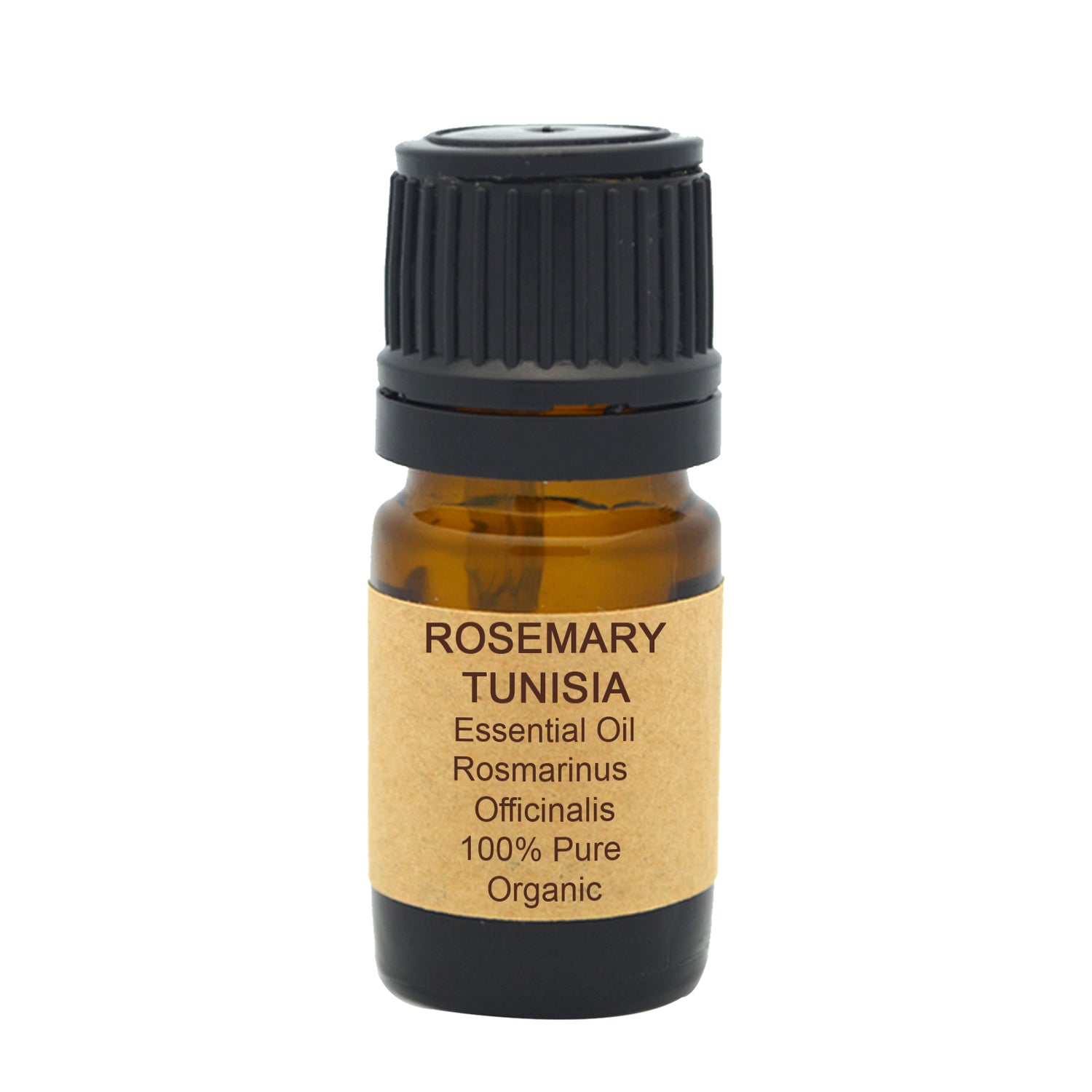
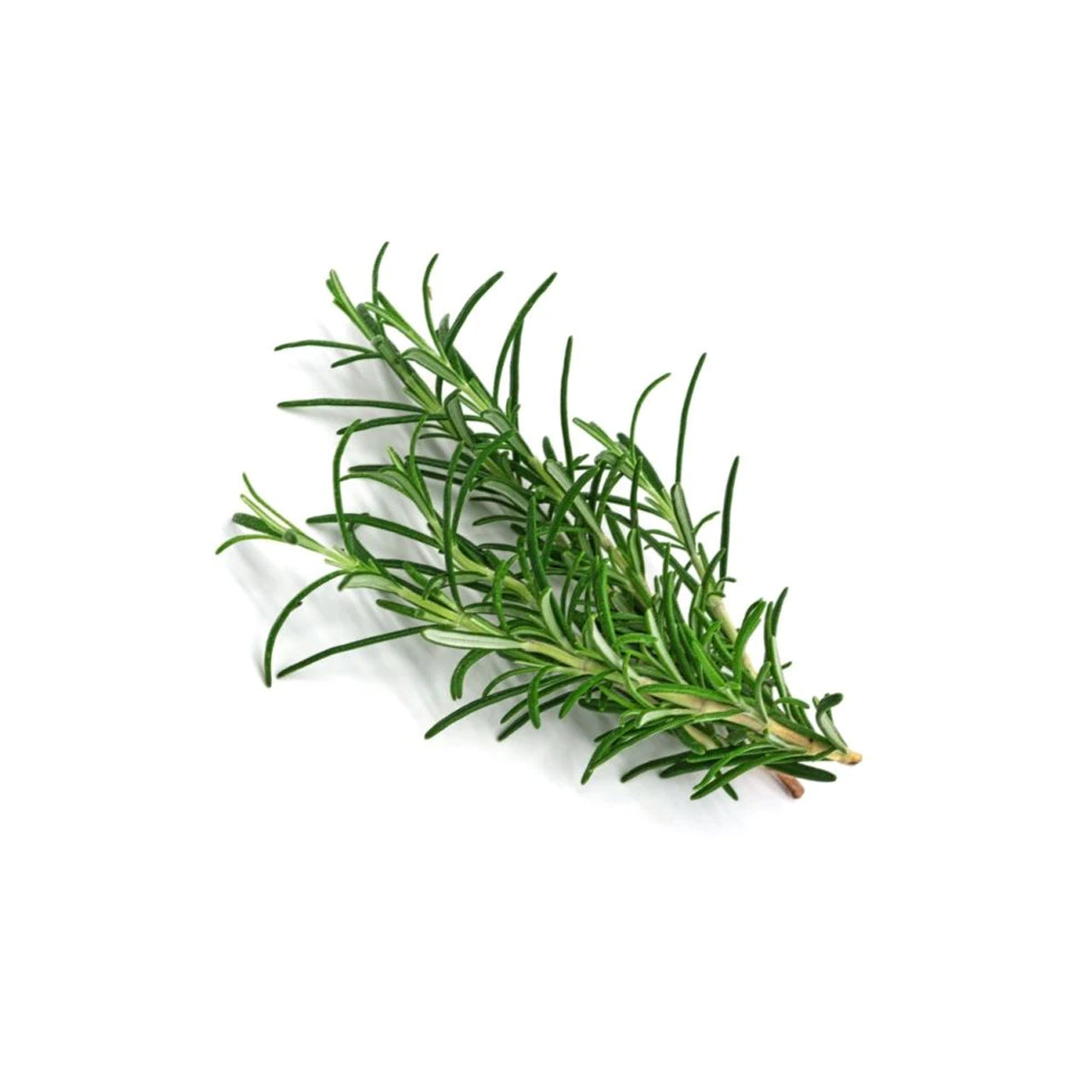
An evergreen shrub with numerous branches, Rosemary has ash-colored scaly bark and leathery, thick leaves, which are ...
From $3.00
Unit price perAn evergreen shrub with numerous branches, Rosemary has ash-colored scaly bark and leathery, thick leaves, which are ...
From $3.00
Unit price perAn evergreen shrub with numerous branches, Rosemary has ash-colored scaly bark and leathery, thick leaves, which are lustrous and dark green above, and white underneath. Its name means, dew of the sea (This is because rosemary naturally grows near the Mediterranean Sea).
Rosemary Essential Oil as one of the most broadly used plants throughout the ages. It still can be used for numerous applications including stimulating hair growth due loss due to aging and restoring mental alertness when experiencing fatigue.
Rosemary Tunisia Essential Oil is credited as having stimulating and warming actions and can be used in numerous skin care products. It is used in hair care to stimulate hair growth and improves most scalp problems, particularly dandruff and seborrhea. It nourishes the scalp and keeps hair looking healthy and shiny. Rosemary oil is said to have antiseptic and antimicrobial properties and is also used to balance intense emotions and control mood swings. It lifts the spirits, counters depression and assist in managing stress.
Use diluted - 50:50 dilution (one part essential oil: one part of carrier oil). Then, apply several drops (2-4) on location, ankles and wrists. Apply to chakras/vitaflex points. Directly inhale or diffuse.
What Chakra is Affected? Opens the heart chakras by promoting circulation of Qi energy and blood.
| Botanical Name | Rosmarinus Officinalis |
|---|---|
| Country of origin | Tunisia |
| Cultivation | Organically grown |
| Extraction Method | Steam Distilled |
| Plant part | Herb |
| Color | Colorless to pale yellow liquid. |
| Scent | Rosemary Tunisia Essential Oil has a fresh, strong, woody, balsamic, herbal minty scent. |
| Strength of Aroma | Medium |
| Note | High |
| Ingredients | Rosmarinus Officinalis |
| Usage |
Use diluted - 50:50 dilution (one part essential oil: one part of carrier oil). Then, apply several drops (2-4) on location, ankles and wrists. Apply to chakras/vitaflex points. Directly inhale or diffuse. |
| Blends well with | Basil, Bergamot, Cedarwood, Frankincense, Ginger, Lemon, Orange and Peppermint. |
| History |
Rosemary has been used medicinally for several thousand years. It’s leaves were traditionally burned in hospitals to purify the air. |
| Warnings | Rosemary Tunisia Essential Oil is generally non-toxic and non-sensitizing. It is not suitable for people with epilepsy or high blood pressure. Avoid in pregnancy since it is an emmenagogue. |
| Manufacture | Best Natures Cosmetic |
| Country of Manufacture | Canada |
| Disclaimer |
This information is for educational purposes only, it is not intended to treat, cure, prevent or, diagnose any disease or condition. Nor is it intended to prescribe in any way. This information is for educational purposes only and may not be complete, nor may its data be accurate. |
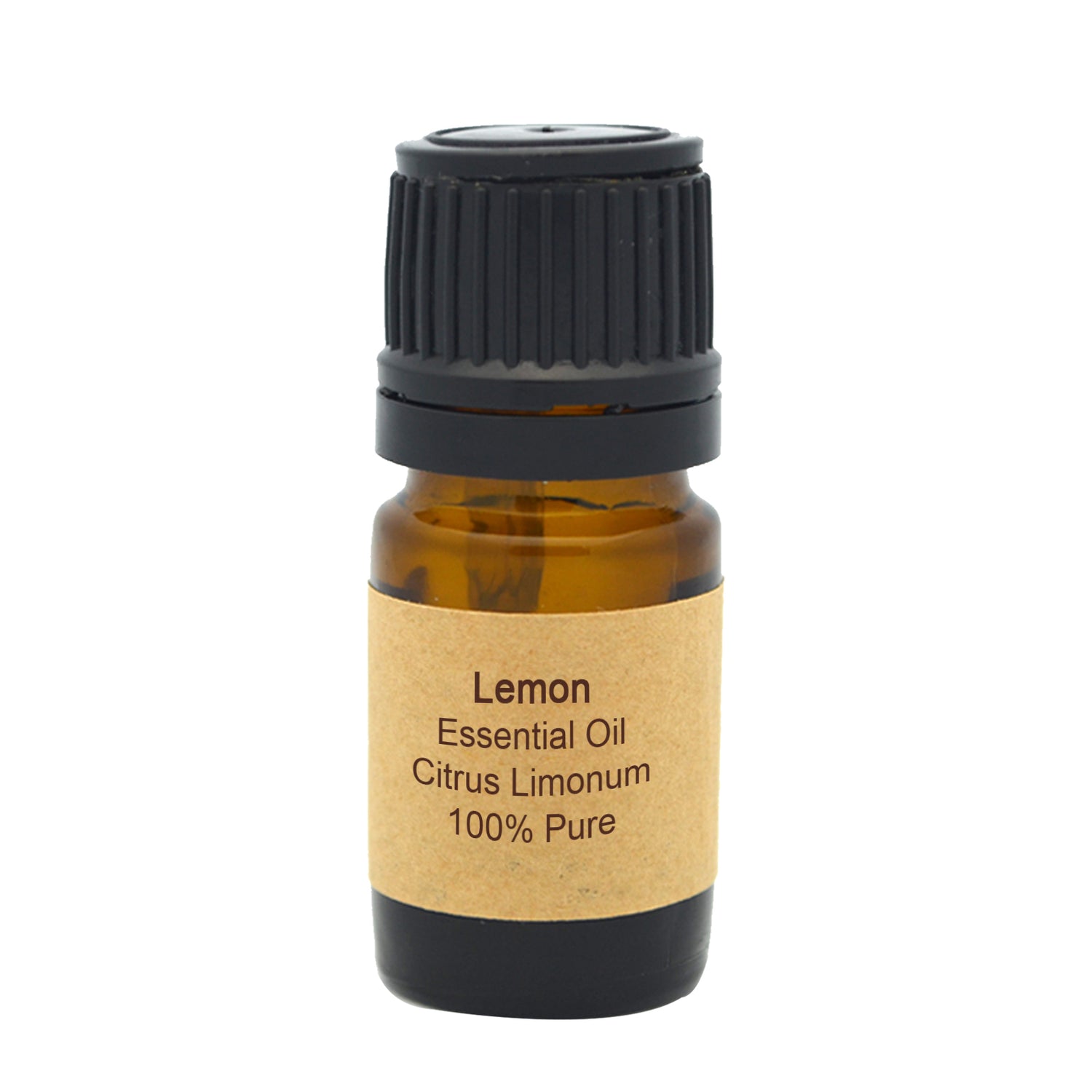
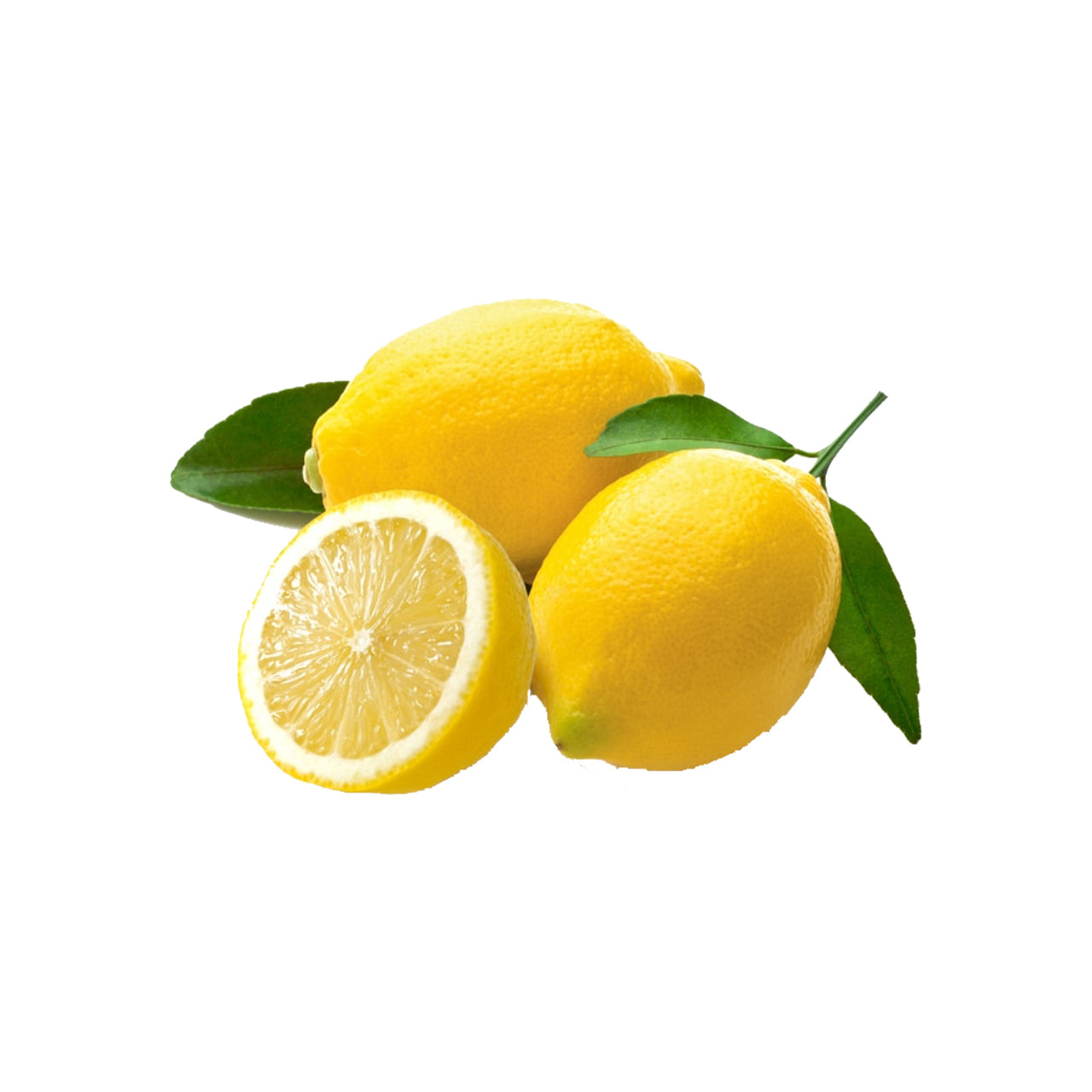
Lemon Essential Oil Botanical Name: Citrus limonum Country of origin: Italy Extraction Method: Cold Pressed Plant par...
From $3.00
Unit price perLemon Essential Oil Botanical Name: Citrus limonum Country of origin: Italy Extraction Method: Cold Pressed Plant par...
From $3.00
Unit price perLemon Essential Oil
Botanical Name: Citrus limonum
Country of origin: Italy
Extraction Method: Cold Pressed
Plant part: Fruit Peel
Scent: Lemon Essential Oil has a strong citrus scent
Strength of Aroma: Strong
Note: High
Blends well with: Bergamot, Lime, Orange and Mandarin, Cypress, Lavender, Geranium, Cardamom and generally most spice oils.
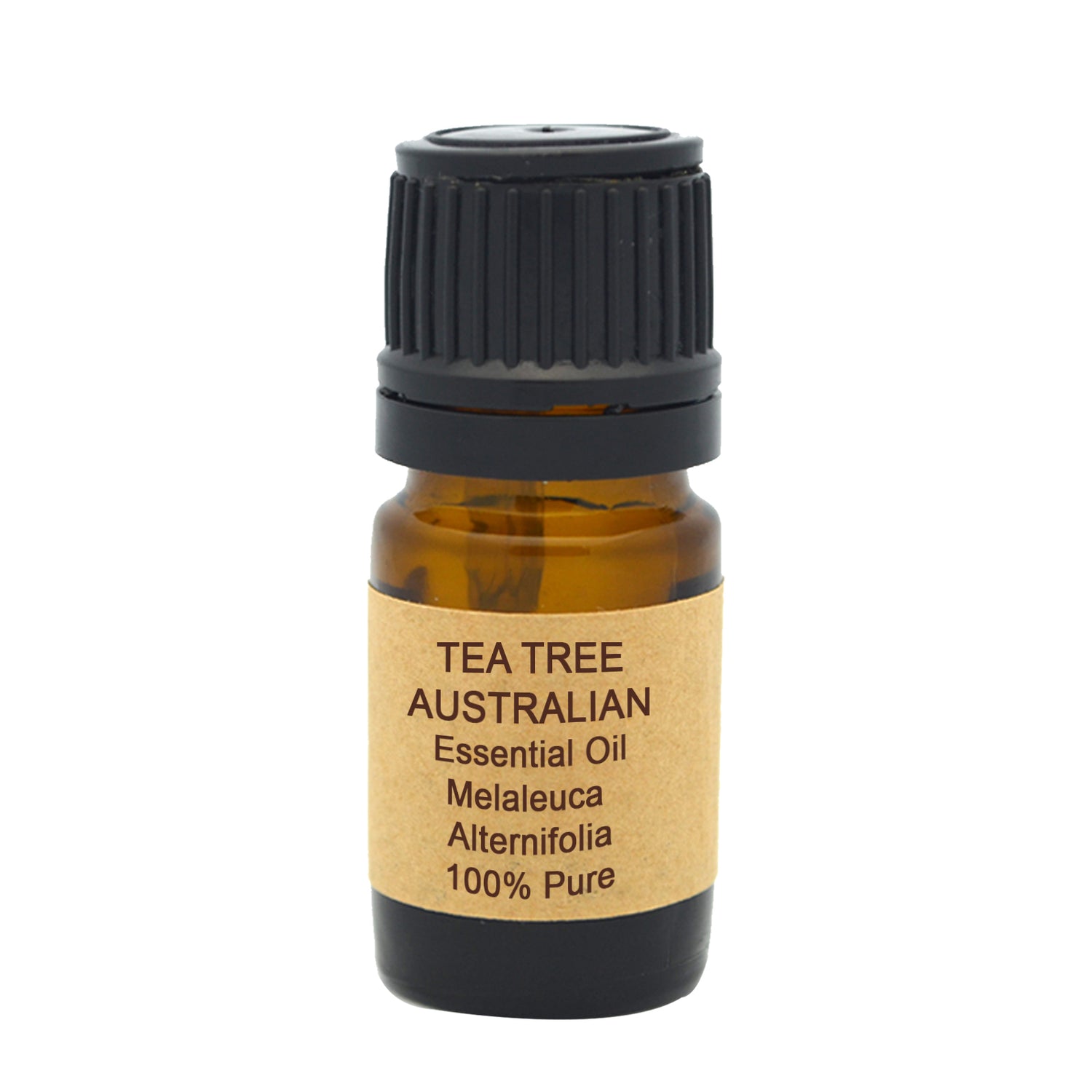
Tea Tree Essential Oil (AAA Australian)
The Tea Tree is a small tree or shrub with needle-like leaves. It is also domestically referred to as Ti-tree. It can...
From $3.50
Unit price perTea Tree Essential Oil (AAA Australian)
The Tea Tree is a small tree or shrub with needle-like leaves. It is also domestically referred to as Ti-tree. It can...
From $3.50
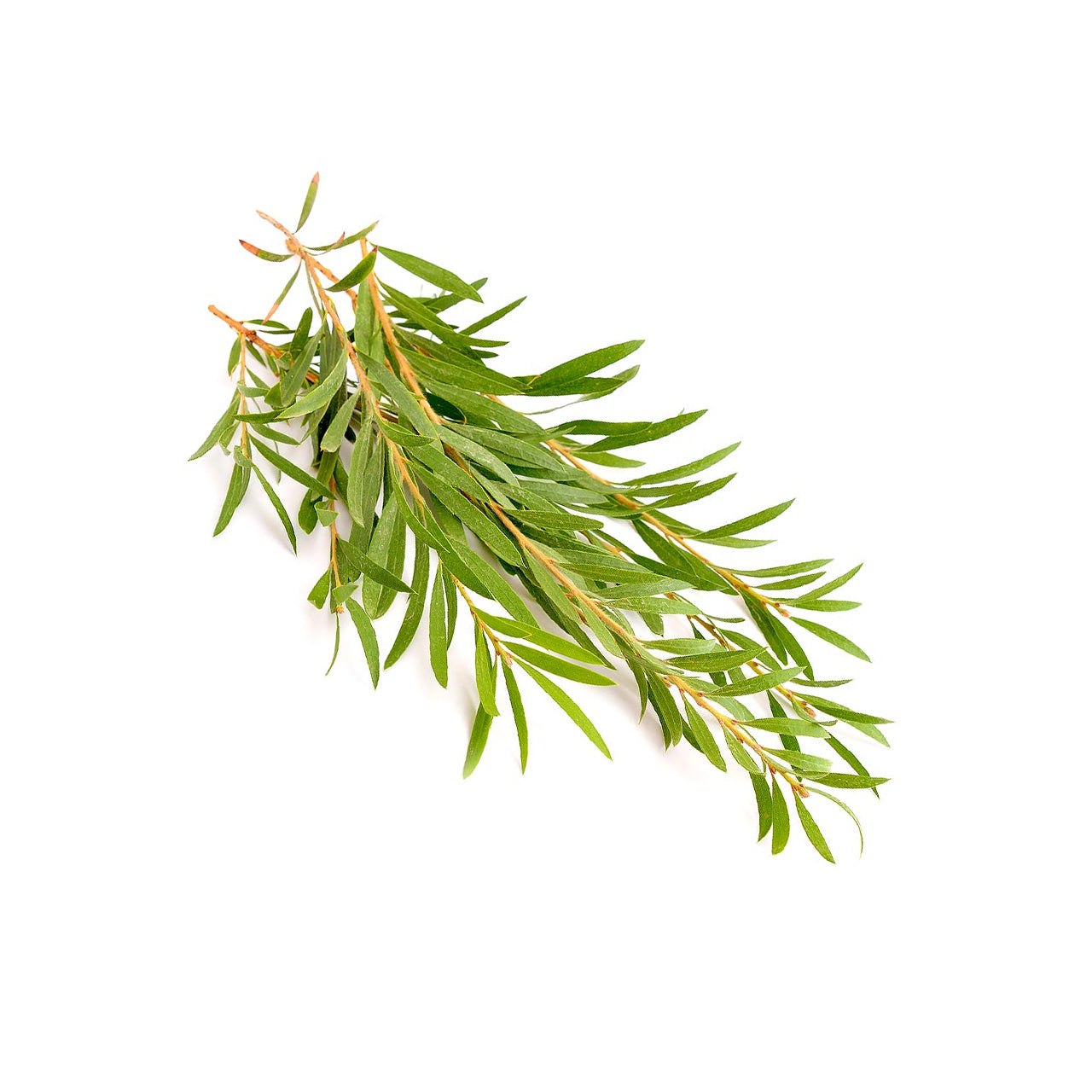
Unit price perThe Tea Tree is a small tree or shrub with needle-like leaves. It is also domestically referred to as Ti-tree. It can grow up to 7 meters (20 feet) in height and thrives in marshy areas, though it is now cultivated in plantations. The Tea Tree is very robust; it is ready for cutting only two years after its’ previous harvest.Acne
One of the most well known uses of tea tree oil is in acne treatment. In fact, a five percent solution of tea tree oil has been shown to be as effective as a five percent solution of the common acne treatment product known as benzoyl peroxide, according to the Mayo Clinic. Tea tree oil works on acne by reducing the population of the acne-related bacteria Propionibacterium acnes (P. acnes). P. acnes is partially responsible for the inflammation and infection that results in more serious forms of inflammatory acne.
Dandruff
Dandruff is another skin condition that can benefit from the use of tea tree oil. One common possible cause of dandruff is the overgrowth of a fungus known as malassezia. Malassezia is commonly found on the skin of your scalp, but causes dandruff problems if it is able to grow out of control. Tea tree oil can be used to reduce population of the fungus, resulting in dandruff relief.
Parasitic Skin Infestations
Tea tree oil may also be used as a natural treatment for skin infestations such as lice, scabies and bedbugs, according to the American Academy of Dermatology. Tea tree oil is used to kill the parasites, relieving skin irritation from the infestation.
Inflammation
When your skin comes in contact with allergens, your body may respond by activating histamine, which causes the skin to become inflamed. Tea tree oil may be used to reduce this inflammation, but more research is needed to confirm the full benefits of the oil, according to the National Institutes of Health.
Athlete's Foot
Athlete's foot may also benefit from the use of tea tree oil. Athlete's foot is a common fungal-based skin problem that can cause severe itching and burning sensations on the affected area. Tea tree oil works on athlete's foot by killing the fungi associated with the infection.
Use diluted - 50:50 dilution (one part essential oil: one part of carrier oil). Then, apply several drops (2-4) on location, ankles and wrists. Apply to chakras/vitaflex points. Directly inhale or diffuse.
What Chakra is Affected? This oil will actually expand all the chakras and then align them with the crown chakra.
What is the Corresponding Chakra Color? Yellow and blue.
| Botanical Name | Melaleuca alternifolia |
|---|---|
| Country of origin | Australia |
| Cultivation | Conventional (Non GMO) |
| Extraction Method | Steam Distilled |
| Plant part | Leaves |
| Color | Colorless to pale yellow clear liquid. |
| Scent | Tee Tree Essential Oil has a fresh, antiseptic and medicinal scent. It also has characteristic mint and spice back-notes. |
| Strength of Aroma | Medium |
| Note | High |
| Ingredients | Melaleuca alternifolia |
| Usage |
Use diluted - 50:50 dilution (one part essential oil: one part of carrier oil). Then, apply several drops (2-4) on location, ankles and wrists. Apply to chakras/vitaflex points. Directly inhale or diffuse. |
| Blends well with |
Cinnamon Bark, Clary Sage, Clove Bud, Geranium, Lavender, Lemon, Myrrh, Nutmeg, Rosewood, Rosemary and Thyme. |
| History | The aboriginal people of Australia have long used Tea tree oil; similarly, Tea tree has a long history of use within the field of aromatherapy. In World War Two, the producers and the cutters of Tea Tree were exempt from military service until enough essential oil had been accumulated. The oil was a highly valued product as it was issued to each soldier and sailor as part of their kit in order to treat tropical infections and infected wounds. |
| Warnings | Tea Tree Essential Oil may cause dermal sensitization in some people. Do not take internally. |
| Manufacture | Best Natures Cosmetic |
| Country of Manufacture | Canada |
| Disclaimer |
This information is for educational purposes only, it is not intended to treat, cure, prevent or, diagnose any disease or condition. Nor is it intended to prescribe in any way. This information is for educational purposes only and may not be complete, nor may its data be accurate. |
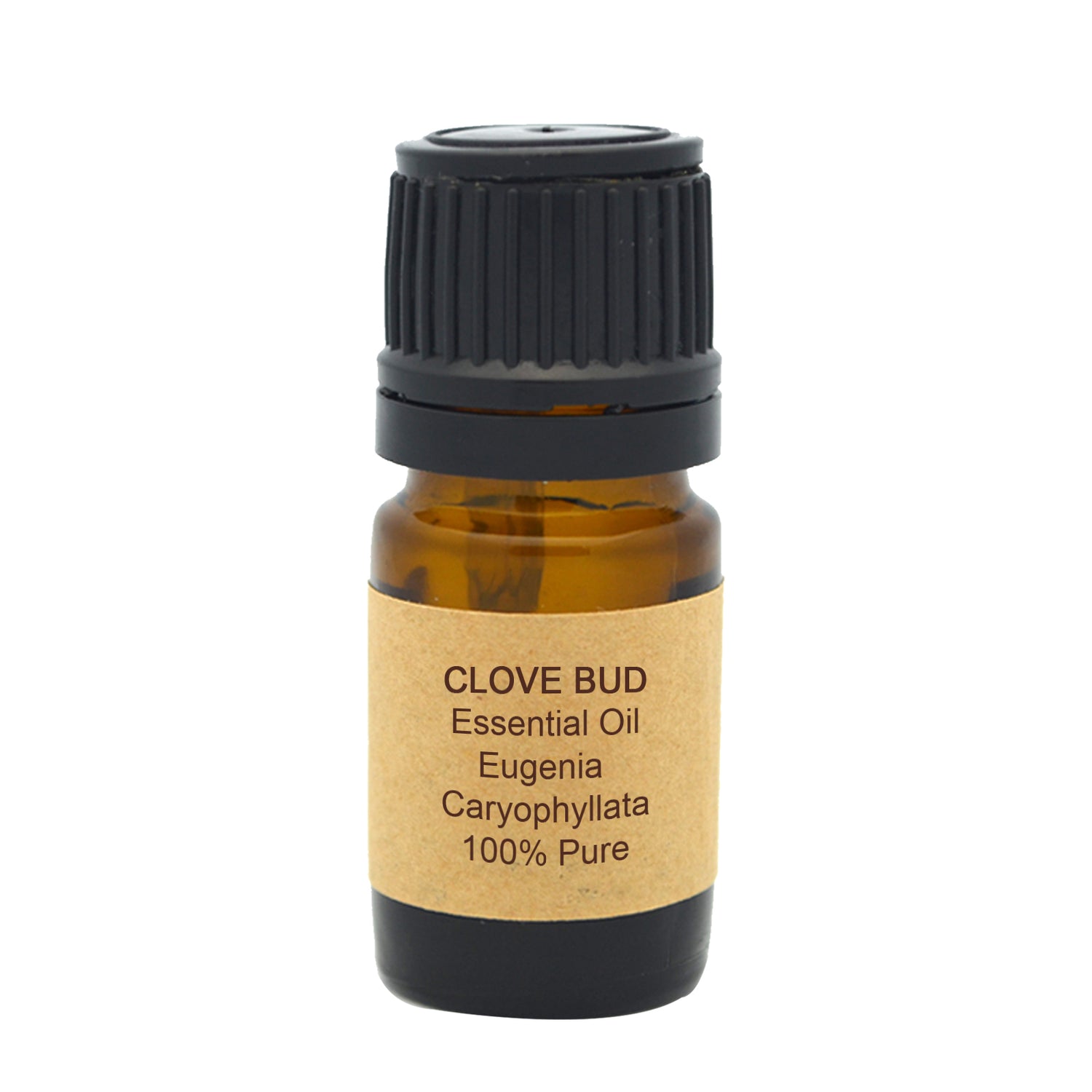
Clove bud is definitely one of the most useful oils to have around the house. For over 2,000 years, the clove tree ha...
From $3.00
Unit price perClove bud is definitely one of the most useful oils to have around the house. For over 2,000 years, the clove tree ha...
From $3.00
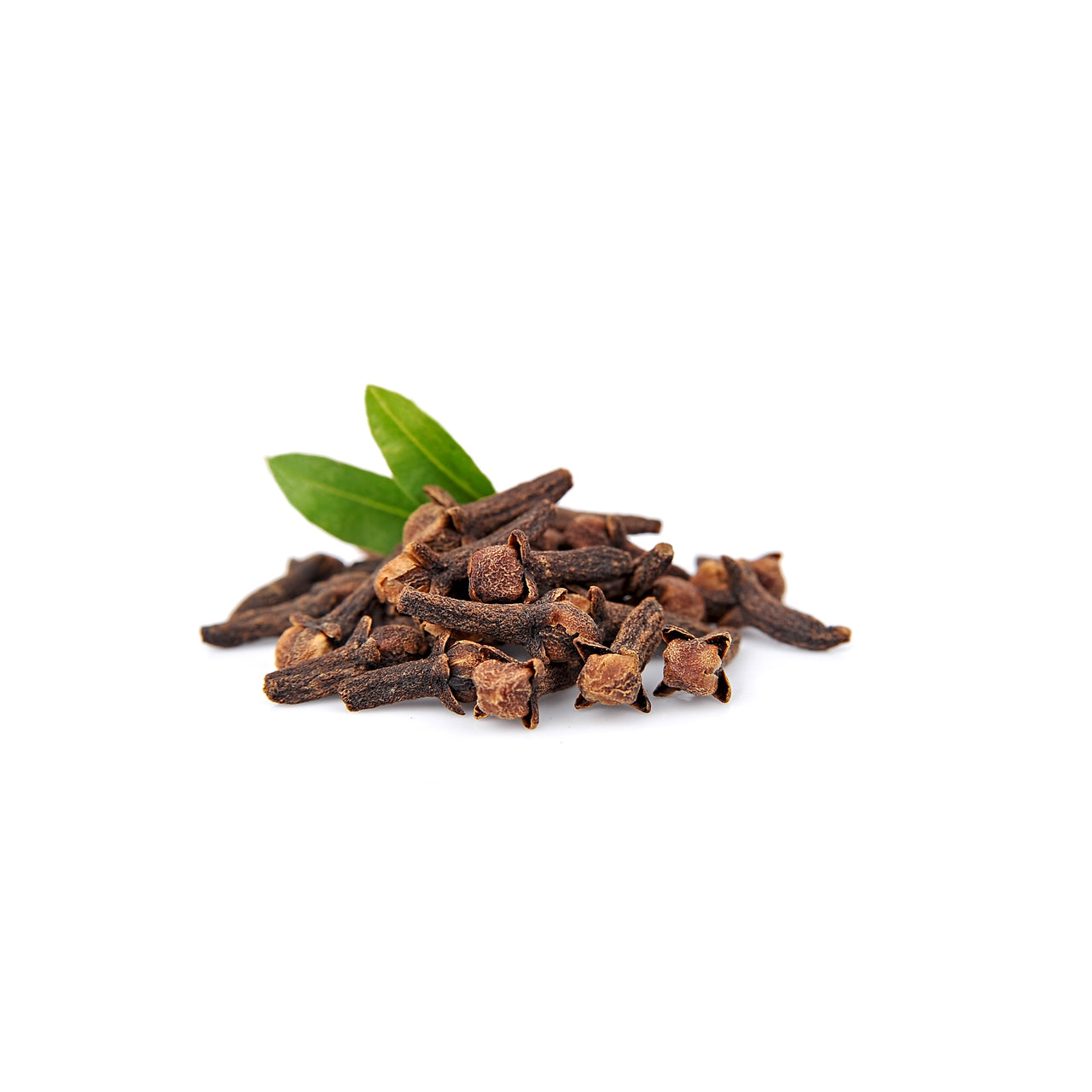
Unit price perClove bud is definitely one of the most useful oils to have around the house. For over 2,000 years, the clove tree has been cultivated for a variety of uses. While native to Indonesia, cloves are used across the world for medicinal and herbal purposes. Cloves play a vital role in Indian Ayurvedic medicine and Chinese medicine, as they have a numbing effect on oral tissue. Additionally, they are used in Asian, African, and Middle Eastern cooking to add flavor to dishes.
Clove oil uses include digestive support and antioxidant support. Traditional Chinese Medicine used clove for digestive and respiratory support.
Clove oil uses have historically included all things dental. It's principal constituent eugenol, is used in the dental industry to numb the gums.
While clove bud oil has many useful properties, it is perhaps best known for its association with dental practices. For a tried and true toothache relief, add a few drops of the oil to a cotton swab before applying topically to the gums for a much needed respite. The oil is also great if you have had any dental work recently done, as it can be used to soothe the condition known as “dry socket,” a postoperative complication of tooth extraction, by numbing the affected area and helping to preventing any further irritation. Additionally, clove bud can be used to counteract mouth and throat irritation and pain when applied directly to the skin.
Thanks to its stimulating and warming properties, clove bud can be used in aromatherapy to aid with digestive problems. By topically applying the diluted oil to your stomach or abdomen, one can warm up and stimulate the digestive tract. Add a drop of clove bud oil to your choice of herbal tea to help relieve nausea.
The oil can be further used externally to help alleviate muscular aches and sprains. For respiratory problems, the disinfecting properties of clove bud are most useful when used in vapor therapy. To help relieve muscle aches and pains, including those caused by arthritis, mix eight drops of clove oil into two ounces of carrier oil, such as jojoba or almond, and massage onto the affected area.
Usage Tips & Recipes
Toothache: Add a couple drops to a cotton swab and rub onto toothache or instant relief. This helps kill infection-causing bacteria.
Digestive Aid: Add a drop to herbal tea to help relieve nausea.
Muscle Ache: Mix eight drops of clove oil in two ounces of carrier oil (try jojoba or almond) and massage onto affected area.Under Eye Puffiness: Add one drop to your eye cream and apply sparingly in the morning. Clove bud oil promotes blood circulation, helping to reduce the puffiness.
Bath (may need fixed oil), inhaler, light bulb ring, massage, mist spray, steam inhalation. Use diluted - 20:80 dilution (one part essential oil: one part of carrier oil). Then, apply several drops (2-4) on location, ankles and wrists. Apply to chakras/vitaflex points. Directly inhale or diffuse.
What Chakra is Affected? Solar plexus, heart and throat chakra. What is the Corresponding Chakra Color? Deep Blue or Indigo.
| Botanical Name | Eugenia Caryoophyllata |
|---|---|
| Country of origin | India |
| Cultivation | Wild harvested |
| Extraction Method | Steam Distilled |
| Plant part | Flower buds |
| Color | A pale yellow to dark brown liquid of medium consistency. |
| Scent | Clove Bud Essential Oil smells like the actual spice. The aroma of this oil is a bit sweeter than the Indonesian variety and slightly less herbaceous. |
| Strength of Aroma | Medium |
| Note | Middle |
| Ingredients | Eugenia Caryoophyllata |
| Usage |
Bath (may need fixed oil), inhaler, light bulb ring, massage, mist spray, steam inhalation. Use diluted - 20:80 dilution (one part essential oil: one part of carrier oil). Then, apply several drops (2-4) on location, ankles and wrists. Apply to chakras/vitaflex points. Directly inhale or diffuse. |
| Blends well with | Other spice oils including Cinnamon Bark , Nutmeg, Citronella, Grapefruit, Lemon, Orange, Peppermint, Rosemary, and Rose. |
| History |
During the Han dynasty (207 B. C. to 220 A. D.) those who addressed the Chinese emperor were required to hold cloves in their mouths to mask bad breath. Traditional Chinese physicians have long used the herb to treat indigestion, diarrhea, hernia, and ringworm, as well as athlete's foot and other fungal infections. |
| Warnings | Dilute well before use; for external use only. May cause skin irritation in some individuals; a skin test is recommended prior to use. Contact with eyes should be avoided. |
| Manufacture | Best Natures Cosmetic |
| Country of Manufacture | Canada |
| Disclaimer |
This information is for educational purposes only, it is not intended to treat, cure, prevent or, diagnose any disease or condition. Nor is it intended to prescribe in any way. This information is for educational purposes only and may not be complete, nor may its data be accurate. |
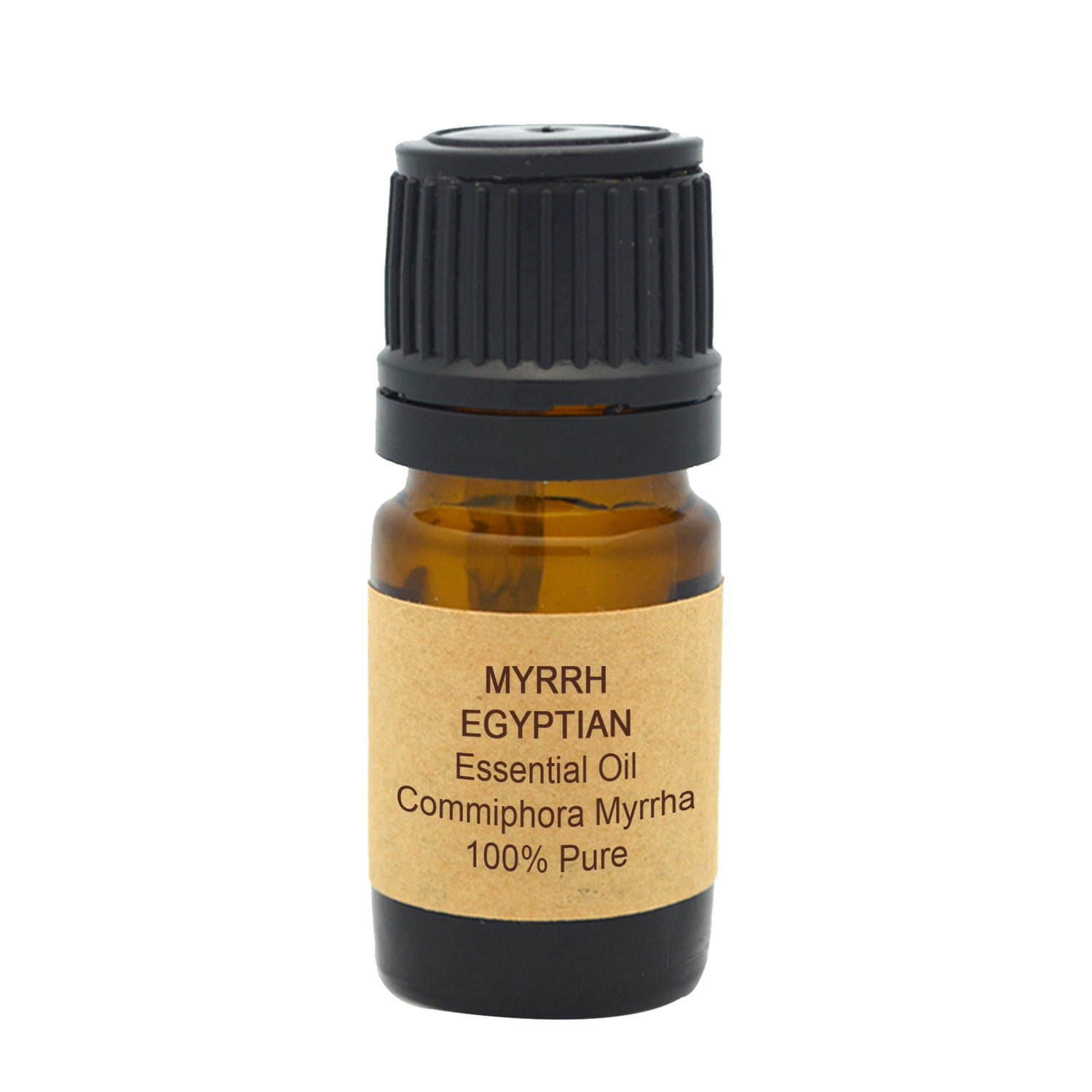
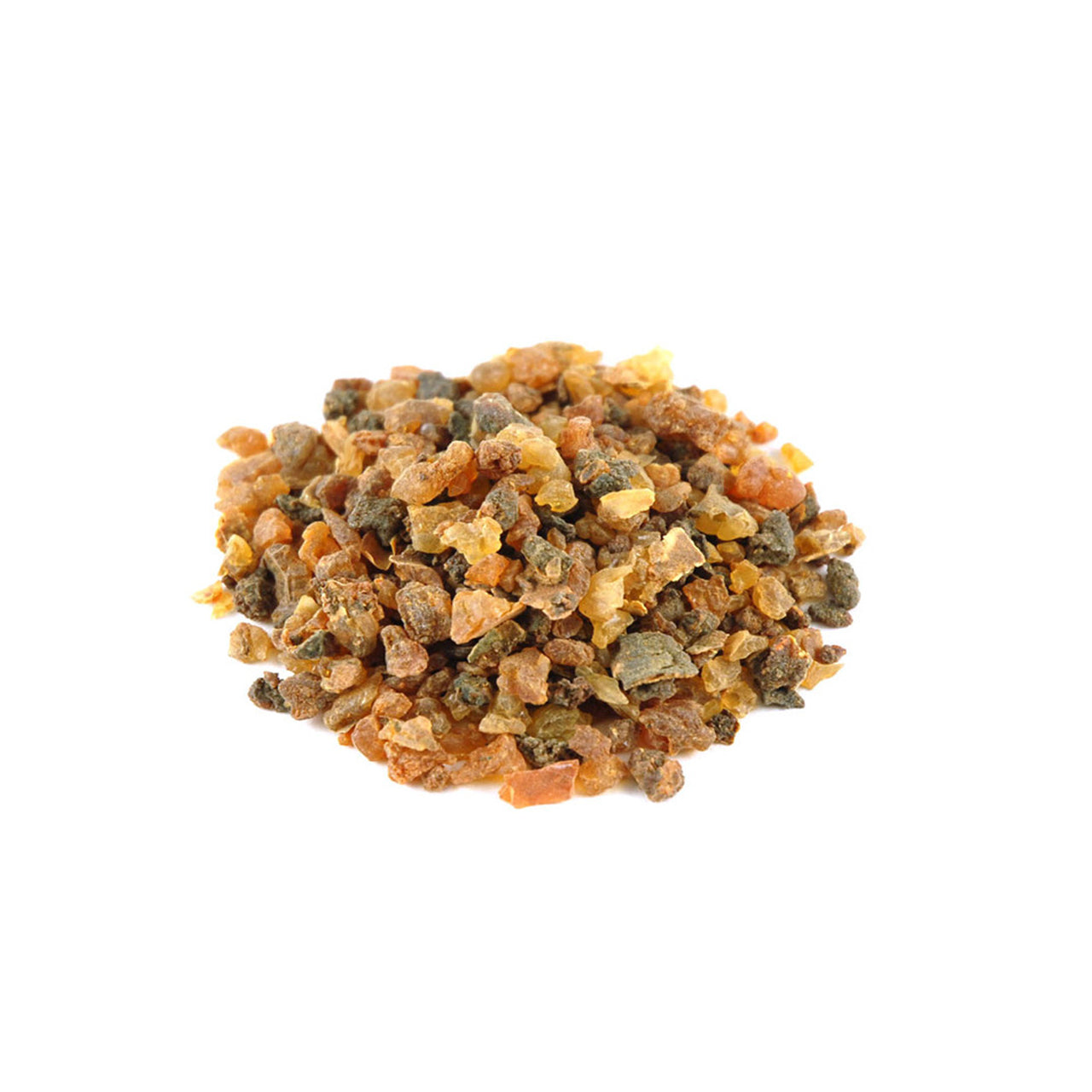
Botanical Name: Commiphora myrrha Country of origin: Egypt Extraction Method: Solvent Extraction Plant part: Resin Sc...
From $8.00
Unit price perBotanical Name: Commiphora myrrha Country of origin: Egypt Extraction Method: Solvent Extraction Plant part: Resin Sc...
From $8.00
Unit price perBotanical Name: Commiphora myrrha
Country of origin: Egypt
Extraction Method: Solvent Extraction
Plant part: Resin
Scent: Myrrh Essential Oil has a warm, rich, spicy balsamic odor.
Strength of Aroma: Medium
Note: Middle
Blends well with: Frankincense, Lavender, Palmarosa, Patchouli, Rose, Rosewood, Sandalwood, Tea Tree and Thyme.
History: Myrrh has been used for centuries as an ingredient in incense, perfumes, and for embalming and fumigation in Ancient Egypt. In folk tradition it was used for muscular pains and in rheumatic plasters.
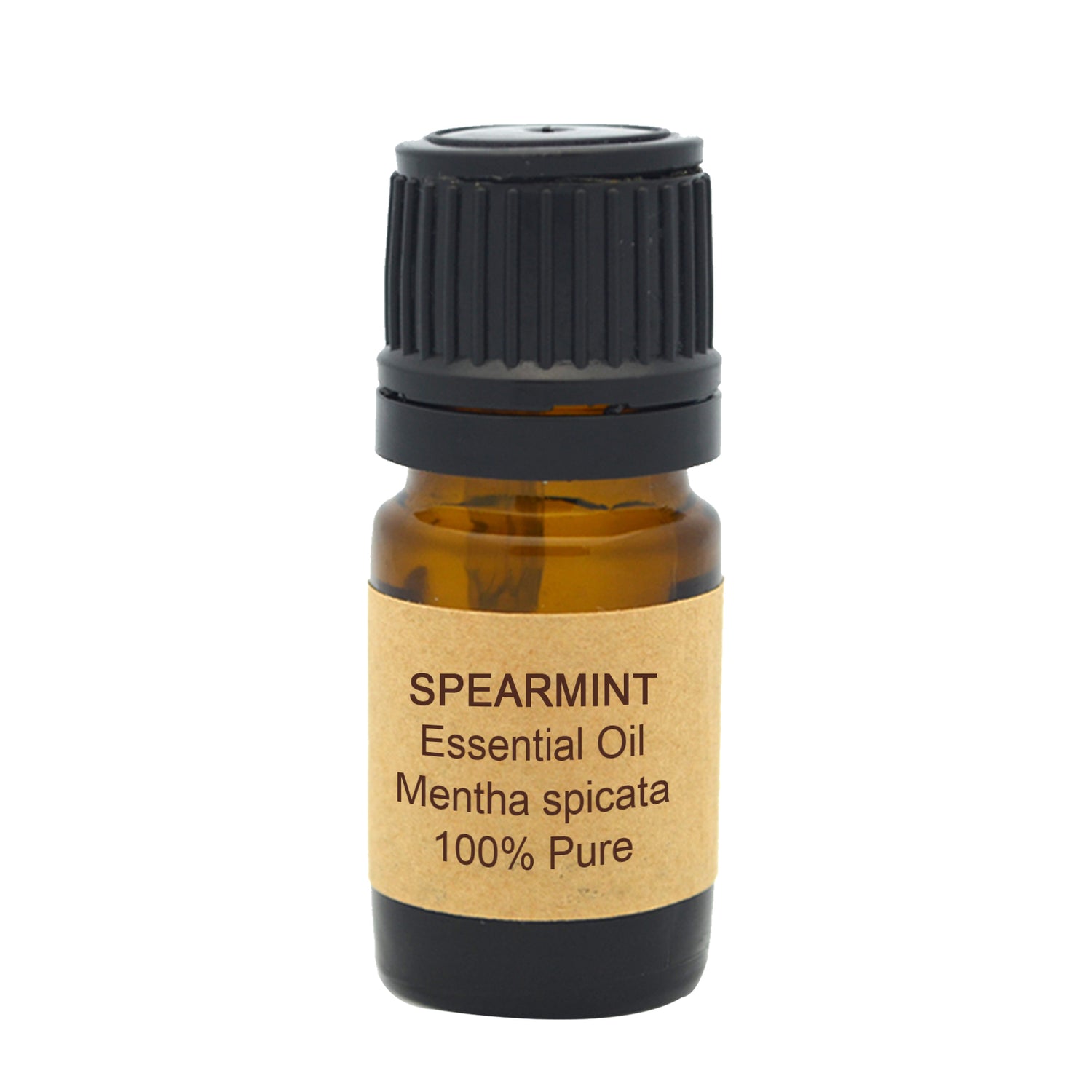
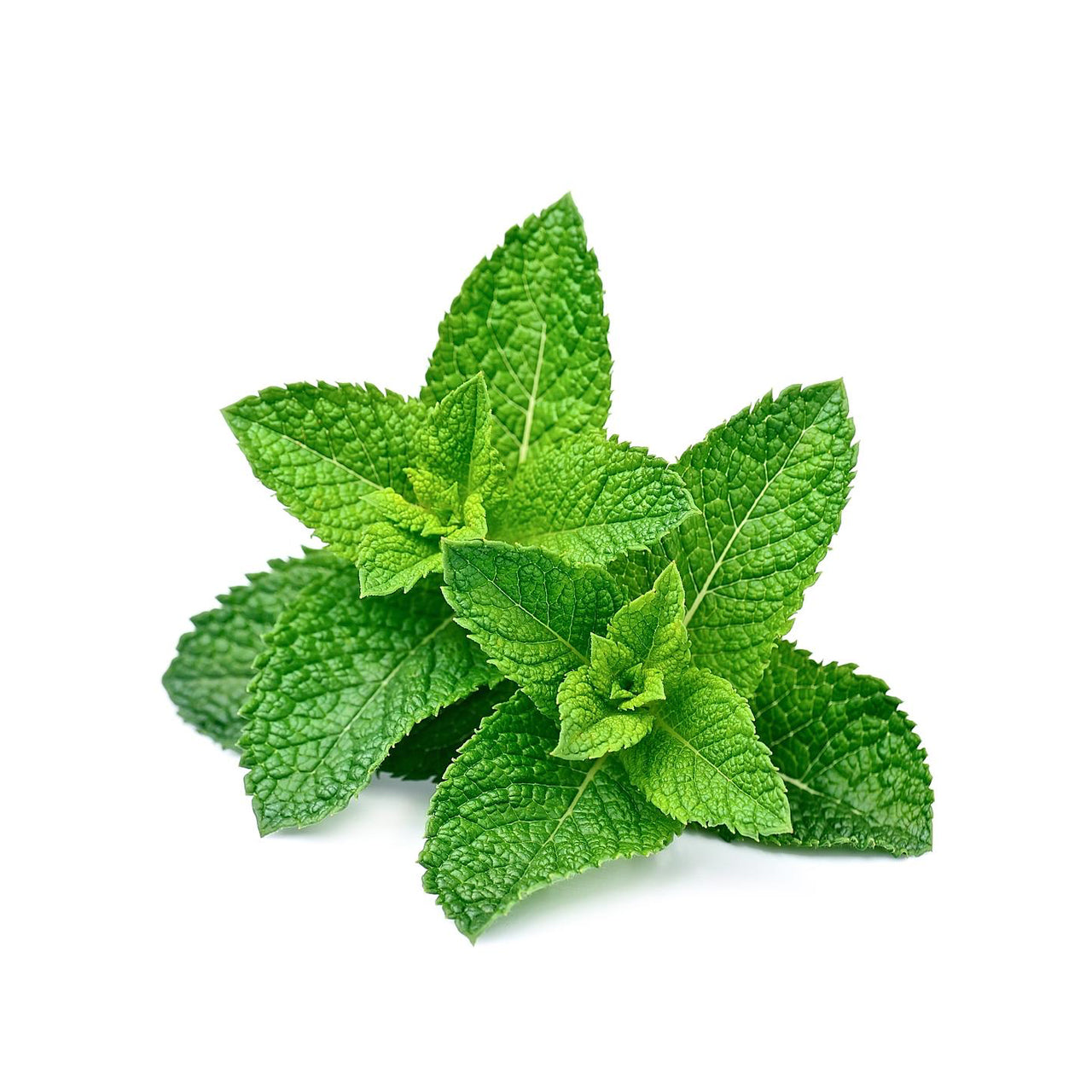
Spearmint is a native of the Mediterranean area. A hardy perennial herb, Spearmint reaches about 1 meter (3 feet) in ...
From $3.50
Unit price perSpearmint is a native of the Mediterranean area. A hardy perennial herb, Spearmint reaches about 1 meter (3 feet) in ...
From $3.50
Unit price perSpearmint is a native of the Mediterranean area. A hardy perennial herb, Spearmint reaches about 1 meter (3 feet) in height. It has characteristic lance-shaped leaves with pink or lilac-colored flowers.
Spearmint plants and essential oil has many benefits including boosting the metabolism and assisting with occasional digestive upset. A rich antioxidant, spearmint helps support the respiratory and nervous systems.
Aromatherapists claim the therapeutic properties of Spearmint Essential Oil are: as a local/topical anesthetic, antispasmodic, astringent, carminative, decongestant, digestive, diuretic, expectorant, stimulant and restorative. It is also believed to be an uplifting oil, great for alleviating fatigue and depression.
The energies of spearmint oil open and release emotional blocks in the etheric level which helps to bring balance to the body.
It also helps people establish safe boundaries and feel protected when releasing old beliefs. It brings about more self-trust which is important in moving forward and overcoming negative emotions.
Use diluted - 50:50 dilution (one part essential oil: one part of carrier oil). Then, apply several drops (2-4) on location, ankles and wrists. Apply to chakras/vitaflex points. Directly inhale or diffuse.
What Chakra is Affected? Solar plexus and heart chakras.
What is the Corresponding Chakra Color? Green.
| Botanical Name | Mentha spicata |
|---|---|
| Country of origin | China |
| Cultivation | Conventional (Non GMO) |
| Extraction Method | Steam Distilled |
| Plant part | Leaves |
| Color | Colorless to pale yellow clear liquid. |
| Scent | Spearmint Essential Oil has a fresh minty smell reminiscent of Peppermint. The major difference is that Spearmint oil is sweeter, and not quite as harsh. |
| Strength of Aroma | Medium |
| Note | High |
| Ingredients |
Mentha spicata |
| Usage |
Use diluted - 50:50 dilution (one part essential oil: one part of carrier oil). Then, apply several drops (2-4) on location, ankles and wrists. Apply to chakras/vitaflex points. Directly inhale or diffuse. |
| Blends well with | Basil, Birch Sweet, Bergamot, Eucalyptus, Jasmine, Lavender and Rosemary. |
| History | The ancient Greeks used Spearmint to scent their bath water. It also had a reputation for curing sexually transmitted diseases like gonorrhea, and for whitening teeth and healing sore gums. This might be credited to its ability to mimic a local anesthetic. |
| Warnings | Spearmint Essential Oil may irritate mucous membranes. Avoid use during pregnancy. |
| Manufacture | Best Natures Cosmetic |
| Country of Manufacture | Canada |
| Disclaimer |
This information is for educational purposes only, it is not intended to treat, cure, prevent or, diagnose any disease or condition. Nor is it intended to prescribe in any way. This information is for educational purposes only and may not be complete, nor may its data be accurate. |


Soursop, Black Seed & Moringa Oil Set
Powerful Trio for Radiant Skin & Healthy Hair Discover a deeply nourishing 3-oil bundle formulated to restore gl...
From $30.00
Unit price perSoursop, Black Seed & Moringa Oil Set
Powerful Trio for Radiant Skin & Healthy Hair Discover a deeply nourishing 3-oil bundle formulated to restore gl...
From $30.00
Unit price perPowerful Trio for Radiant Skin & Healthy Hair
Discover a deeply nourishing 3-oil bundle formulated to restore glow, hydration, and vitality from head to toe. This premium set features Soursop, Black Seed, and Moringa Oil — three high-performing botanical oils known for their rich nutrients, natural antioxidants, and skin-loving benefits. Beautifully packed in a gift box, it’s the perfect present for yourself or someone special.
What’s Inside
- Soursop Oil – brightens, calms, supports clear & balanced skin
- Black Seed Oil – deeply nourishing, strengthens hair roots & skin barrier
- Moringa Oil – restores hydration, smooths texture, adds glow to skin & hair
Key Benefits
- Promotes smoother, softer, healthier-looking skin
- Helps reduce dryness, uneven tone & dullness
- Nourishes scalp & supports strong, shiny hair
- Rich in antioxidants, vitamins & essential fatty acids
- Suitable for all skin & hair types
- Perfect ready-to-gift packaging
How to Use
For Skin:
- Apply 2–3 drops to clean, damp skin
- Use morning and/or evening
- Mix with moisturizer for added hydration
For Hair:
- Warm a small amount between your palms
- Massage into scalp to nourish roots
- Apply to hair lengths to smooth frizz & add shine
- Use as a pre-wash oil treatment for deep nourishment
Ingredients
100% Pure Cold-Pressed Oils: Annona Muricata (Soursop) Seed Oil, Nigella Sativa (Black Seed) Oil, Moringa Oleifera Seed Oil.
Why You'll Love It
This trio combines three powerful botanical oils into one beautifully curated gift box. Whether used for glowing skin, smoother texture, or healthier hair, each oil brings unique natural benefits — making this set a perfect daily ritual or thoughtful gift.
Gift-Ready Packaging
Comes in a premium ready-to-gift box — ideal for birthdays, wellness gifts, holidays, or natural beauty lovers who appreciate high-quality, cold-pressed oils.
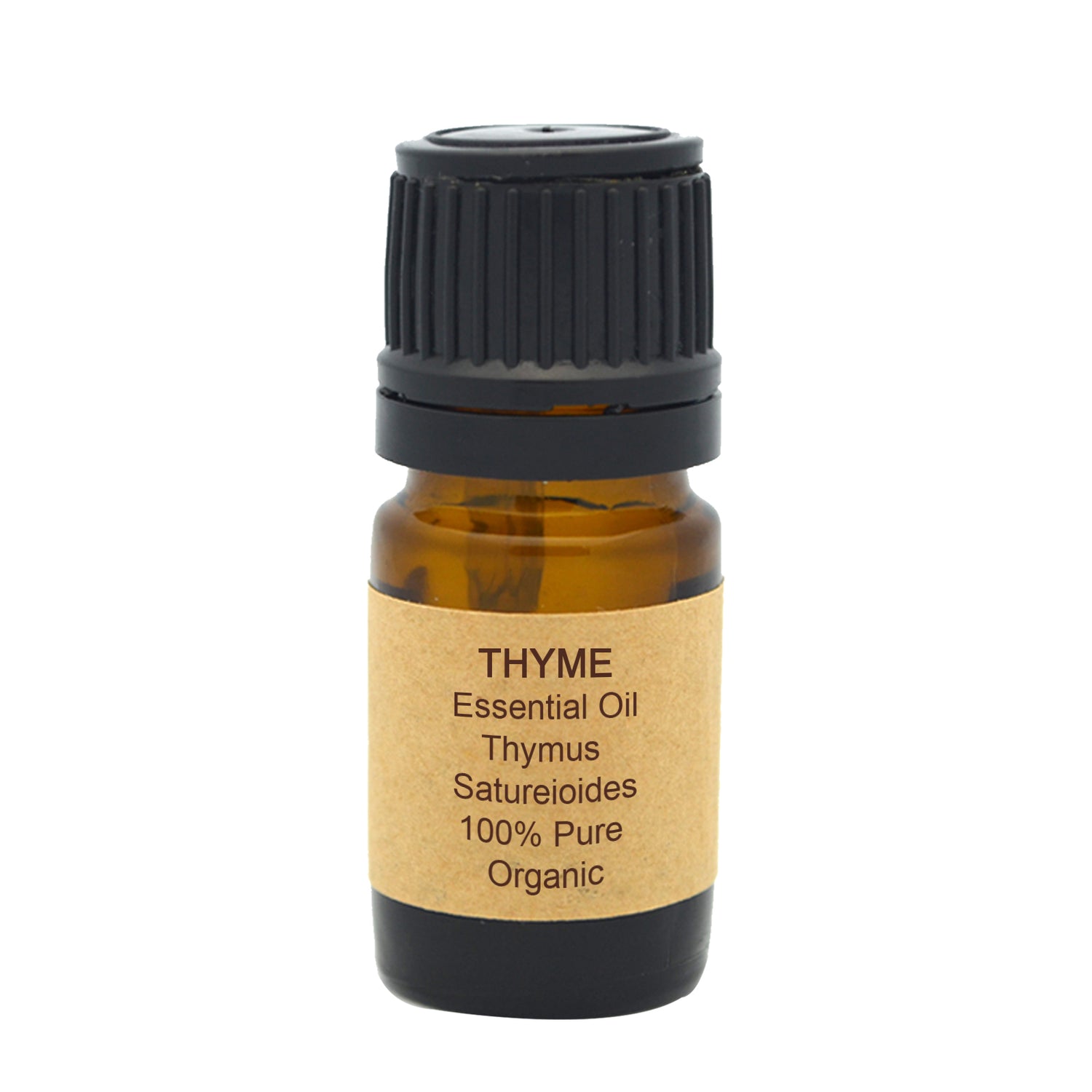
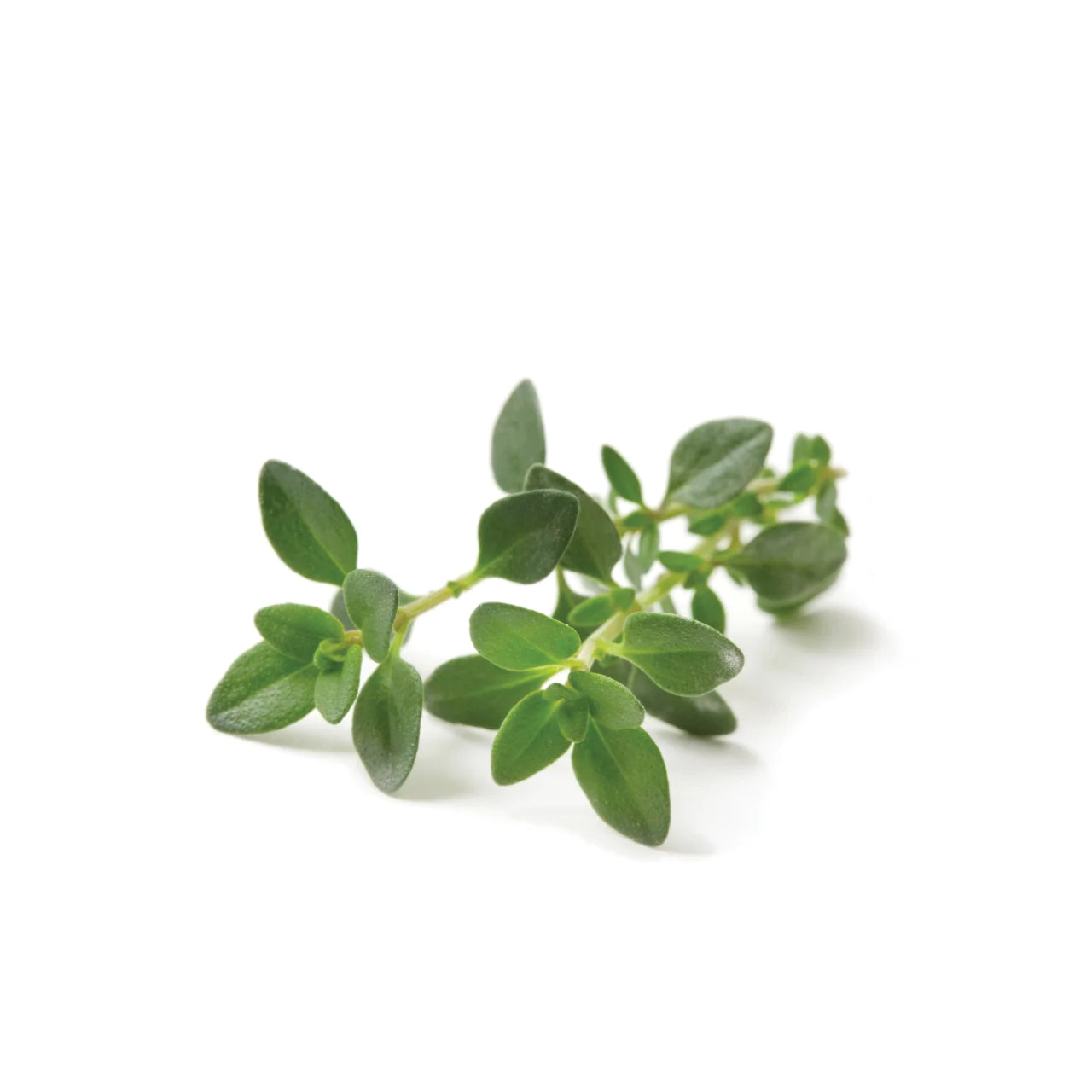
Thyme is an evergreen perennial shrub that grows up to 45 cm (18 inches) in height. It has a woody root system with a...
From $3.00
Unit price perThyme is an evergreen perennial shrub that grows up to 45 cm (18 inches) in height. It has a woody root system with a...
From $3.00
Unit price perThyme is an evergreen perennial shrub that grows up to 45 cm (18 inches) in height. It has a woody root system with a multi-branched stem, and small elliptical greenish-grey leaves. This variety is native to Morocco. Thyme is derived from the Greek word thymos that means 'perfume'. It was used in herbal medicines by the ancient Greeks, Egyptians and Romans, as incense in Greek temples, and in embalming by the Egyptians. During the Middle Ages it was given to jousting knights for courage, and a sprig of thyme was later carried into courtrooms to ward off diseases (as well as to freshen the air). It has been popular as a flavouring agent in foods for Millenia.
| Botanical Name | Thymus satureioides |
|---|---|
| Country of origin | Morocco |
| Cultivation | Organic |
| Extraction Method | Steam Distilled |
| Plant part | Leaves |
| Color | A thin, clear, pale yellow liquid. |
| Scent | A top note with a strong aroma, Thyme has a woody, medicinal scent described as spicy and green. |
| Strength of Aroma | Strong |
| Note | Top |
| Ingredients |
Thymus satureioides Main Constituents: Borneol: 22.7% - 37.5%, Thymol: 1% - 5% |
| Usage |
Thyme contains a high amount of thymol that can irritate mucus membranes, and must be diluted well before use. Avoid use if under the care of a medical practitioner. May cause skin irritation in some individuals; a skin test is recommended prior to use. Contact with eyes should be avoided. |
| Blends well with | Bergamot, Grapefruit, Lemon, Lavender, Rosemary and Pine. |
| History | Thyme is derived from the Greek word thymos that means 'perfume'. It was used in herbal medicines by the ancient Greeks, Egyptians and Romans, as incense in Greek temples, and in embalming by the Egyptians. During the Middle Ages it was given to jousting knights for courage, and a sprig of thyme was later carried into courtrooms to ward off diseases (as well as to freshen the air). It has been popular as a flavouring agent in foods for Millenia. |
| Warnings | Though non-toxic, it is capable of causing sensitivity - particularly with mucous membranes. It should also be used in proper dilution and avoided during pregnancy. This oil may form crystals during transit or storage. Gentle warming in a hot water bath and stirring may be required. |
| Manufacture | Best Natures Cosmetic |
| Country of Manufacture | Canada |
| Disclaimer |
This information is for educational purposes only, it is not intended to treat, cure, prevent or, diagnose any disease or condition. Nor is it intended to prescribe in any way. This information is for educational purposes only and may not be complete, nor may its data be accurate. As with all essential oils, never use them undiluted. Do not take internally unless working with a qualified and expert practitioner. Keep away from children. If applying an essential oil to your skin always perform a small patch test to an insensitive part of the body (after you have properly diluted the oil in an appropriate carrier. |


SUSTAINABLE NO COMPROMISE

We aim to inspire kindness in the world through the power of Clean and Minimalist Skin Care. Our products is kind to the planet, kind to people, kind to animals and kind to skin.
We aim to inspire kindness in the world through the power of Clean and Minimalist Skin Care. Our products is kind to the planet, kind to people, kind to animals and kind to skin.
KIND TO ANIMALS

Sustainable, clean, plant based skin care means no cruelty, no testing on animals, no harmful chemicals, nature friendly.
Sustainable, clean, plant based skin care means no cruelty, no testing on animals, no harmful chemicals, nature friendly.
CLEAN SKIN CARE

It is about transparency, natural ingredients and minimalist skin care products without compromise. Let the Mother Nature Safeguard your beautiful skin.
It is about transparency, natural ingredients and minimalist skin care products without compromise. Let the Mother Nature Safeguard your beautiful skin.